Overview
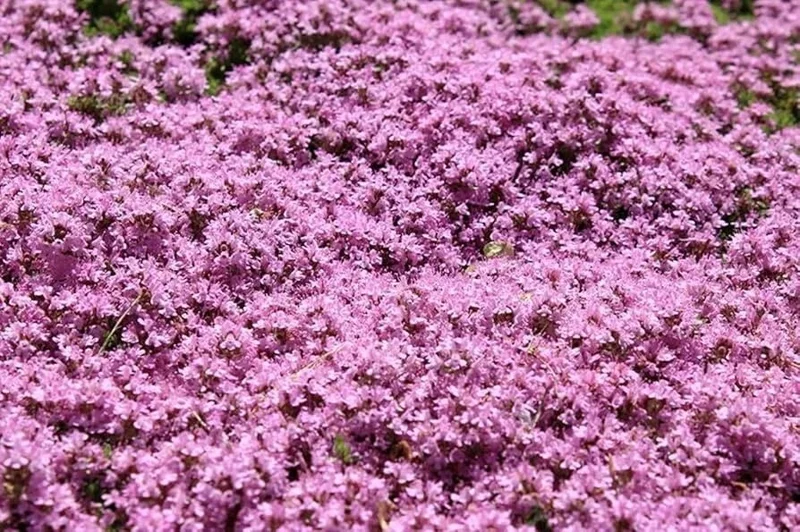
Transform your landscape with over 400 dwarf creeping thyme seeds (Thymus serpyllum). This exceptional variety is renowned for its low-growing, mat-forming habit, making it an ideal choice for a beautiful and functional ground cover. Perfect for filling in bare spots, creating aromatic pathways, or softening rock gardens, these seeds promise a vibrant display of purple flowers and a delightful fragrance. As a perennial, Thymus serpyllum seeds will return year after year, establishing a durable and attractive living carpet in your outdoor spaces.
Native to Europe and North Africa, creeping thyme is a hardy plant that thrives in various conditions. Its ability to withstand foot traffic and its drought tolerance once established make it a popular choice for sustainable landscaping. These ground cover seeds offer an economical way to achieve a widespread, natural look with minimal effort, providing a lush green base that bursts into color during blooming seasons.
Key Benefits
Planting dwarf creeping thyme seeds offers a multitude of advantages for both novice and experienced gardeners. Its robust nature and versatility make it a valuable addition to many garden designs. From aesthetic appeal to practical garden solutions, this plant delivers consistent performance and beauty.
- Low Maintenance Ground Cover: Once established, creeping thyme requires very little attention, making it an excellent choice for gardeners seeking a beautiful yet effortless landscape solution. It naturally suppresses weeds and reduces the need for frequent mowing.
- Attractive Purple Blooms: Enjoy a spectacular show of small, fragrant purple flowers throughout the spring, summer, and fall. These blooms not only add visual interest but also attract beneficial pollinators like butterflies and bees to your garden.
- Durable & Foot Traffic Tolerant: Unlike many ornamental plants, Thymus serpyllum can withstand light foot traffic, making it perfect for planting between stepping stones, along pathways, or in areas where a resilient plant is desired.
- Erosion Control: The dense, mat-forming growth habit of dwarf creeping thyme helps to stabilize soil, preventing erosion on slopes or in areas prone to runoff. Its extensive root system holds soil firmly in place.
- Aromatic Foliage: The delicate leaves release a pleasant, herbaceous fragrance when brushed against or walked upon. This natural aroma enhances the sensory experience of your garden, especially in high-traffic areas.
- Versatile Landscaping Use: Ideal for rock gardens, filling crevices, creating green roofs, or as a lawn substitute, these perennial ground cover seeds adapt to various landscaping needs, adding charm and character.
- Easy to Grow from Seed: With a cultivating difficulty rated as ‘Easy’, these easy to grow seeds are perfect for beginners. They germinate reliably and develop into healthy plants with basic care, making gardening accessible to all.
Plant Care & Growing Tips
Growing dwarf creeping thyme from Thymus serpyllum seeds is a rewarding experience, especially with proper care. This hardy plant thrives in conditions that mimic its natural Mediterranean habitat. For best results, consider the following:
Sunlight: Creeping thyme prefers full sun but can tolerate partial shade, especially in hotter climates where some afternoon shade can be beneficial. Adequate sunlight ensures robust growth and abundant flowering.
Watering: Water regularly until established, typically for the first 12 weeks after planting. Once mature, it is drought-tolerant and requires medium watering, thriving in well-drained soil. Avoid overwatering, which can lead to root rot.
Soil: Plant your ground cover seeds in well-draining soil with a pH between 6.0 and 7.5. It tolerates various soil types, including loam, peat, and sand, but good drainage is crucial for its health. Amend heavy clay soils with organic matter to improve drainage.
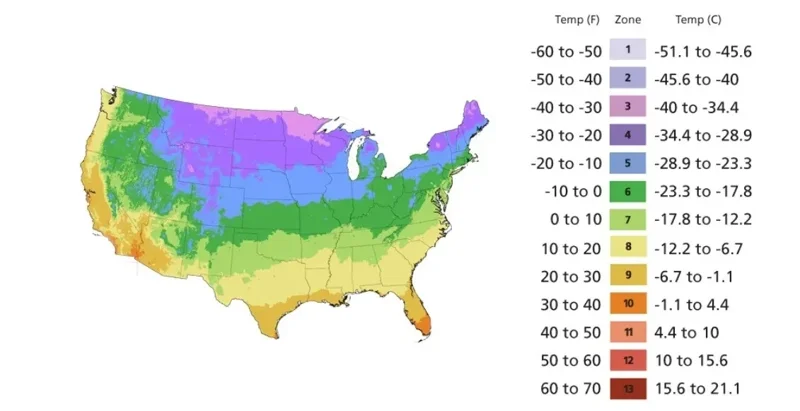
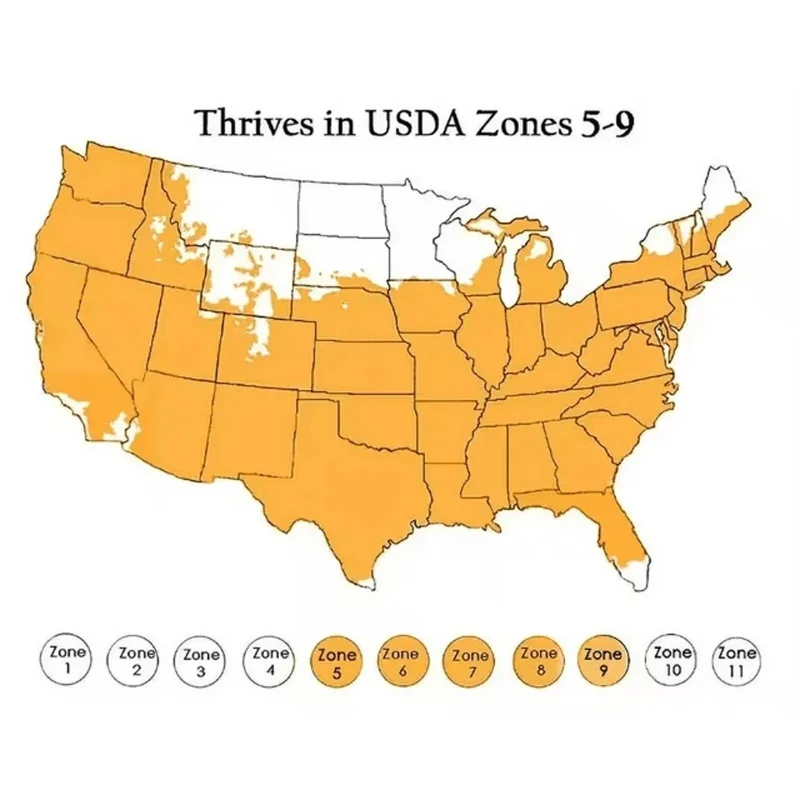
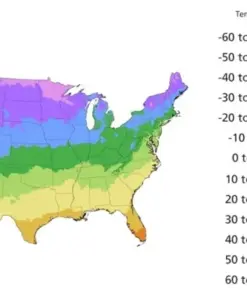
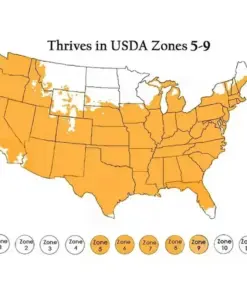
Temperature & Zone: This perennial is cold-hardy in USDA Zones 5-9. It can tolerate a range of climates from sub-tropical to temperate, making it a versatile choice for many regions. It is an excellent choice for a resilient perennial ground cover.
Fertilizer: Dwarf creeping thyme generally does not require heavy fertilization. A light application of a balanced, slow-release fertilizer in early spring can promote healthy growth, but too much nitrogen can reduce flowering.
Common Problems: Watch out for overly wet conditions, which can lead to fungal diseases. Ensure good air circulation and proper drainage. Pests are rarely an issue for this resilient plant.
Size & Details
Each packet contains over 400 dwarf creeping thyme seeds, providing ample material to establish a significant area of ground cover. These Thymus serpyllum seeds are ideal for direct sowing to create a widespread, mat-forming plant with a low growth habit. While individual plant dimensions vary, the overall spread can cover large areas over time, creating a dense living carpet. The plants will typically form a low mat, generally reaching only a few inches in height, making it perfect for pathways and rock gardens. This quantity of easy to grow seeds ensures a robust start to your ground cover project, with plants reaching maturity and full flowering potential within a season or two, depending on growing conditions and planting time.
Frequently Asked Questions
- Q: What is the best time to plant dwarf creeping thyme seeds?
A: The ideal planting time is typically in spring after the last frost, or in late summer/early fall. The seeds require about 12 weeks to establish well.
- Q: How much sunlight does creeping thyme need?
A: Creeping thyme thrives in full sun, meaning at least 6 hours of direct sunlight per day. It can tolerate partial shade but may have fewer blooms in shadier conditions.
- Q: Is Thymus serpyllum drought-tolerant?
A: Yes, once established, Thymus serpyllum is quite drought-tolerant, making it a great choice for water-wise gardening. Regular watering is only necessary during the initial establishment phase.
- Q: What kind of soil is best for these ground cover seeds?
A: Well-draining soil is crucial. Creeping thyme prefers a soil pH between 6.0 and 7.5 and can grow in loam, peat, or sand as long as drainage is good.
- Q: How difficult is it to grow dwarf creeping thyme from seed?
A: It is considered an ‘Easy’ plant to cultivate from seed, making it suitable for gardeners of all experience levels. These are truly easy to grow seeds.
- Q: Will this perennial ground cover attract pollinators?
A: Yes, the purple flowers of dwarf creeping thyme are highly attractive to butterflies and bees, supporting local pollinator populations.
- Q: Can creeping thyme be walked on?
A: Yes, it is tolerant of light foot traffic, which makes it an excellent choice for planting between stepping stones or in other areas where occasional walking occurs.
- Q: What USDA Hardiness Zones are suitable for dwarf creeping thyme?
A: It is hardy in USDA Zones 5-9, making it adaptable to a wide range of climates across the United States.












Reviews
There are no reviews yet.