Overview
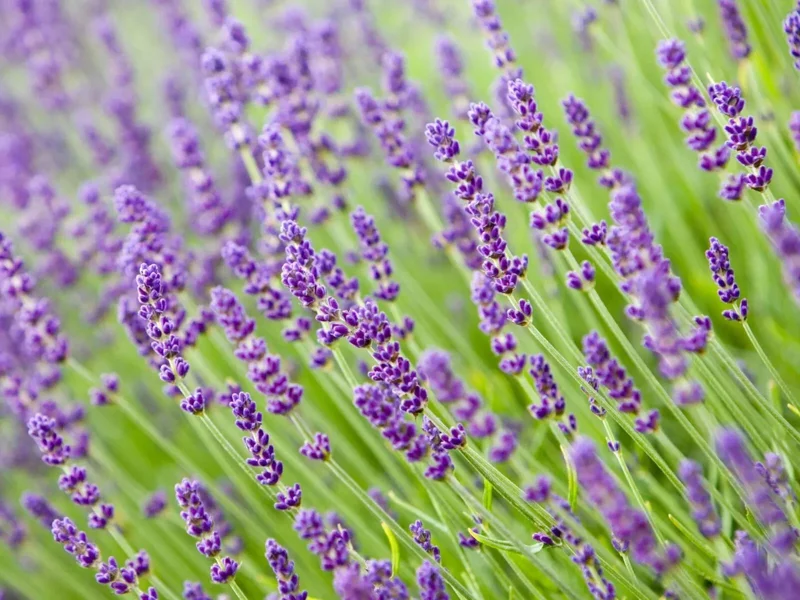
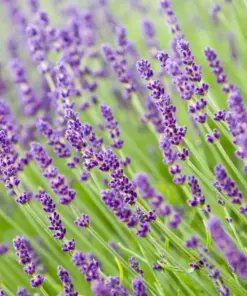
Experience the joy of growing your own fragrant garden with these premium Vera English Lavender seeds. Sourced from high-quality, non-GMO stock, these seeds promise to yield beautiful and aromatic Lavandula angustifolia plants. Commonly known as Vera English Lavender, this variety is prized for its strong, sweet fragrance, vibrant purple blooms, and versatility. Whether you’re looking to create a calming sanctuary, attract beneficial pollinators like bees, or add a delightful herb to your kitchen, these non-GMO lavender seeds are an excellent choice. This perennial herb will return year after year, providing continuous beauty and scent.
Our Vera English Lavender seeds are perfect for gardeners of all skill levels, offering a rewarding experience as you watch these beloved plants flourish. Grow beautiful, fragrant lavender plants that thrive in various climates, transforming your outdoor space into a sensory delight. Enjoy the natural elegance and therapeutic qualities that only true English Lavender can provide.
Key Benefits
Growing Vera English Lavender seeds offers a multitude of benefits for both your garden and your well-being. From their aesthetic appeal to their practical uses, these perennial herb seeds are a fantastic investment for any plant enthusiast.
- Aromatic Garden Addition: Fill your outdoor space with the classic, soothing scent of English Lavender. The strong fragrance is known to promote relaxation and can create a serene atmosphere in your garden.
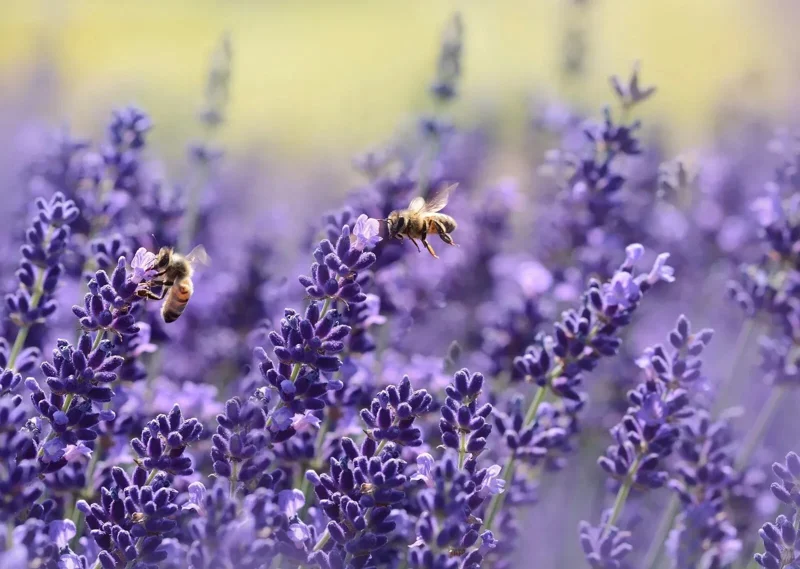
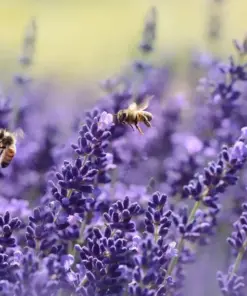
- Attracts Pollinators: The vibrant purple flowers are a magnet for bees, butterflies, and other beneficial pollinators, enhancing the biodiversity and health of your garden ecosystem.
- Versatile Culinary Herb: Use the dried flowers and leaves in teas, baked goods, or savory dishes for a unique, delicate flavor. These fragrant lavender plants are a must-have for culinary adventurers.
- Medicinal & Therapeutic Uses: Lavender is widely recognized for its calming and antiseptic properties. Use it in homemade essential oils, sachets, or potpourri for natural stress relief and aromatherapy.
- Drought-Tolerant & Low Maintenance: Once established, Vera English Lavender is remarkably resilient, requiring minimal watering and care, making it an ideal choice for busy gardeners.
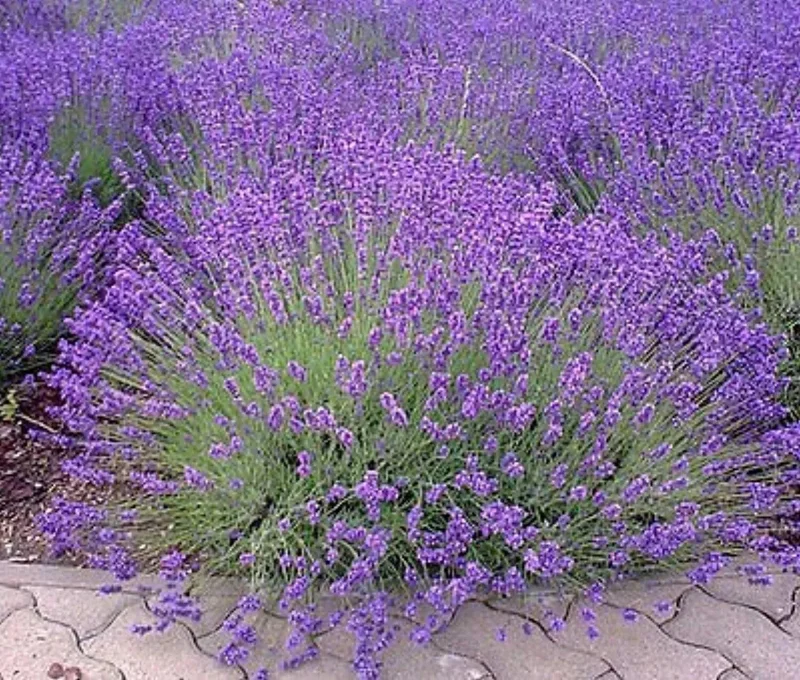
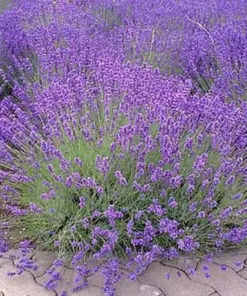
- Beautiful Landscape Plant: Create stunning borders, hedges, or rock garden accents with the distinctive silvery-green foliage and profuse purple blooms. These plants add elegance and structure to any garden design.
- Non-GMO Assurance: Start with confidence knowing your plants are grown from non-GMO lavender seeds, ensuring a natural and wholesome addition to your garden.
Plant Care & Growing Tips
To successfully grow lavender from seed, especially Vera English Lavender seeds, attention to a few key conditions will ensure robust growth and abundant blooms. Lavender thrives in conditions that mimic its Mediterranean origins. For optimal germination, a period of cold stratification (simulating winter conditions) is often beneficial for these perennial herb seeds. Plant seeds shallowly in well-draining soil, covering lightly with a thin layer of soil or vermiculite.
Sunlight: Lavender requires at least 6-8 hours of full sun per day. While it can tolerate partial shade, too little sun will result in leggy growth and fewer flowers. Ensure your planting location receives ample direct sunlight.
Watering: Once established, lavender is highly drought-tolerant. Water sparingly, allowing the soil to dry out completely between waterings. Overwatering is the most common cause of lavender failure, leading to root rot. Good drainage is crucial.
Soil: These plants prefer well-draining soil with a soil pH of 6.1 – 8.5. A sandy or gravelly loam is ideal. Amending heavy clay soils with sand or grit can improve drainage. Avoid rich, overly fertile soils, as lavender performs best in leaner conditions.
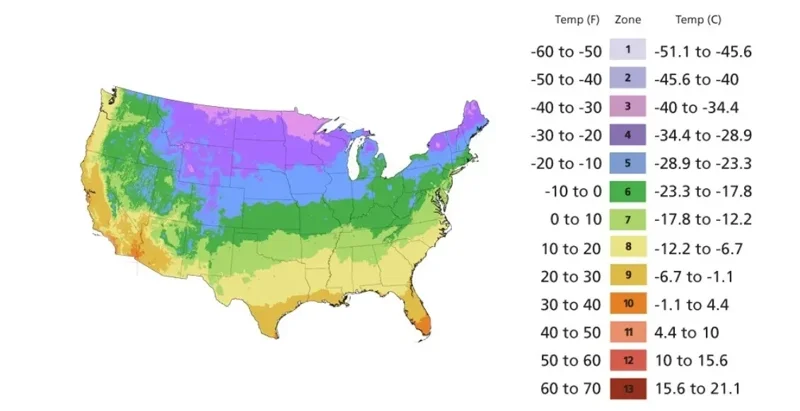
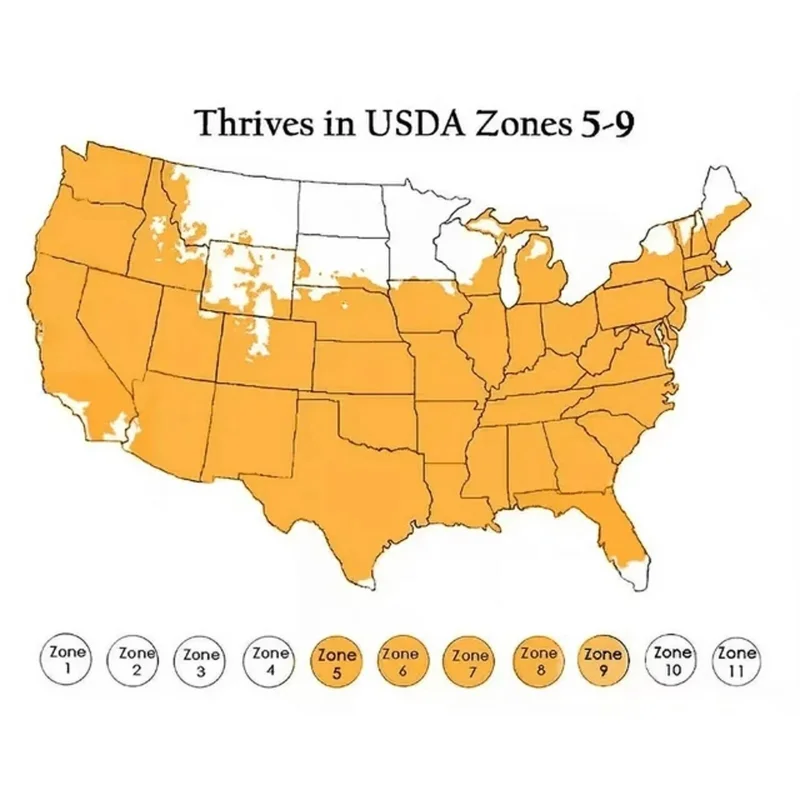
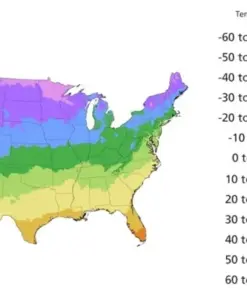
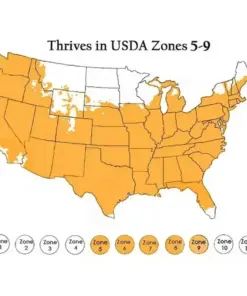
Temperature & Zone: Vera English Lavender is hardy in USDA Hardiness Zones 5-12. It tolerates cold temperatures well, but protection during harsh winters can be beneficial in colder zones. It thrives in temperate climates.
Fertilizer: Lavender generally does not require much fertilization. If your soil is very poor, a light application of a balanced, slow-release fertilizer in spring can be used, but avoid high-nitrogen fertilizers which promote foliage over flowers.
Common Problems: Watch out for fungal diseases like root rot, which are often caused by overwatering or poor drainage. Pests are rarely an issue due to lavender’s strong fragrance, but occasional sightings of whiteflies or aphids can be managed with organic insecticidal soap.
Size & Details
These Vera English Lavender seeds provide an opportunity to cultivate beautiful and resilient perennial herb plants. Each packet contains 200+ seeds, offering ample opportunity for germination and growth. Upon maturity, Vera English Lavender plants typically reach a height of 18-24 inches with a similar spread, forming attractive, mounded shrubs. The growth habit is ‘Running’, indicating a healthy spreading nature. They are known for their medium watering needs and a life cycle as a perennial, meaning they will return year after year.
The seeds are harvested from plants known for their fragrant and calming properties, making them excellent for attracting bees. The Country of Origin is the United States, and the brand is Southeast Seeds. With proper care, you can expect these seeds to develop into thriving, fragrant lavender plants that enhance your garden for many seasons.
Frequently Asked Questions
- Q: What is the best time to start these Vera English Lavender seeds?
A: While you can start Vera English Lavender seeds indoors about 8-12 weeks before the last frost, they can also be direct sown in spring after the danger of frost has passed. Cold stratification can improve germination rates.
- Q: How long does it take for lavender seeds to germinate?
A: Germination for non-GMO lavender seeds can be slow and erratic, typically taking anywhere from 14 to 28 days, sometimes longer. Patience and consistent moisture during this period are key.
- Q: Do these perennial herb seeds require any special soil conditions?
A: Yes, lavender prefers well-draining soil with a pH between 6.1 and 8.5. A sandy or gravelly loam is ideal. Avoid heavy clay soils that retain too much moisture, as this can lead to root rot.
- Q: How much sun do Vera English Lavender plants need?
A: For best results, fragrant lavender plants require at least 6-8 hours of full sun daily. They thrive in bright, sunny locations and will not flower as profusely in partial shade.
- Q: Are these Vera English Lavender seeds suitable for container growing?
A: Yes, Vera English Lavender can be grown successfully in containers, provided the container is large enough (at least 12-18 inches in diameter) and has excellent drainage. Use a well-draining potting mix.
- Q: Will these lavender plants attract bees and other pollinators?
A: Absolutely! The vibrant purple flowers and rich nectar of Vera English Lavender are highly attractive to bees, butterflies, and other beneficial pollinators, making them a great choice for a pollinator garden.
- Q: What USDA Hardiness Zones are these lavender seeds suitable for?
A: These Vera English Lavender seeds are suitable for planting in USDA Hardiness Zones 5-12, indicating good tolerance to a range of cold and temperate climates.



Reviews
There are no reviews yet.