Overview
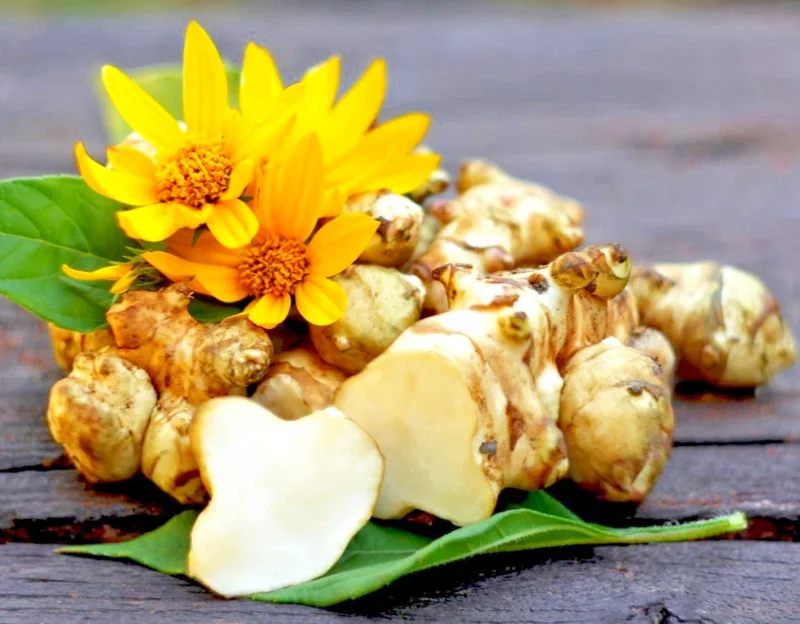
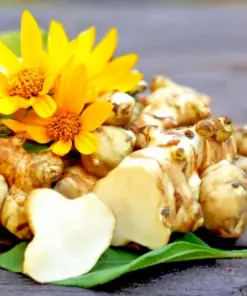
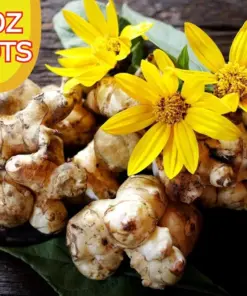
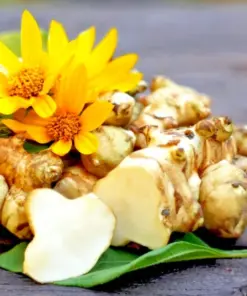
Discover the versatility and charm of the Jerusalem Artichoke, often called Sunchoke tubers or Sunroot. This listing offers 2 premium tubers of Helianthus tuberosus, a robust perennial plant renowned for its delicious, nutty-flavored edible roots and cheerful, sunflower-like yellow flowers. Despite its name, the Jerusalem Artichoke is not related to the traditional artichoke and is native to North America. It’s a fantastic choice for gardeners looking for both an attractive ornamental plant and a prolific producer of a unique edible root vegetable. These tubers are ready to plant, promising a rewarding growing experience for both novice and experienced gardeners.
Key Benefits
Growing Jerusalem Artichoke brings a host of advantages to your garden and kitchen. These resilient plants are low-maintenance and provide a continuous harvest. Enjoy the dual benefit of a beautiful yellow flowering plant and a nutritious food source.
- Easy to Grow: Jerusalem Artichoke plants are incredibly forgiving and thrive in a variety of soil conditions, making them ideal for beginners or those seeking a low-effort crop.
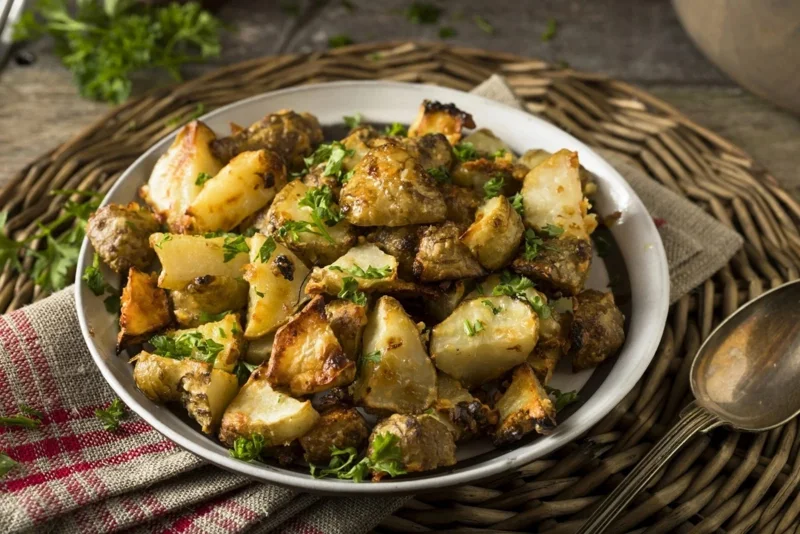
- Delicious Edible Tubers: Harvest the nutty, slightly sweet tubers (Sunchoke tubers) which can be eaten raw, roasted, boiled, or mashed, offering a healthy alternative to potatoes.
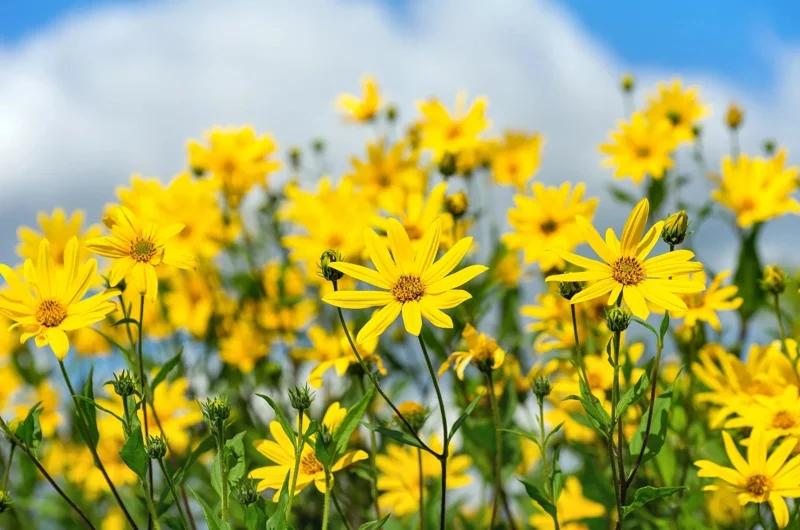
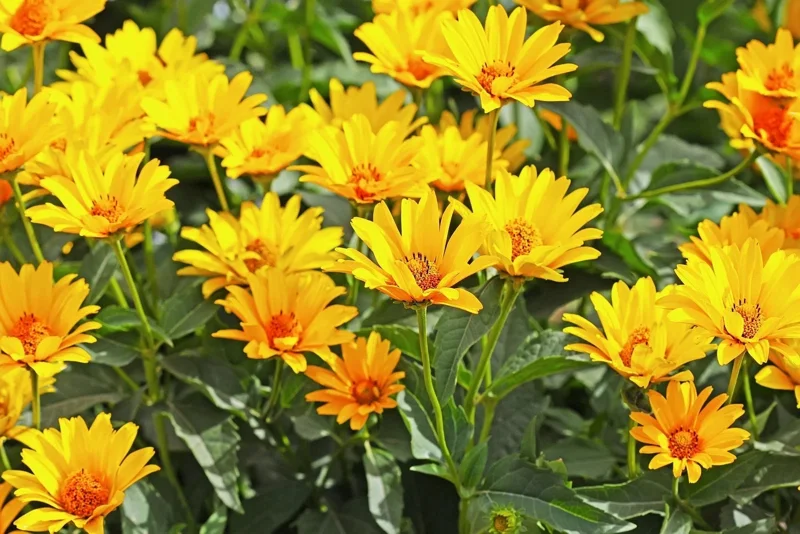
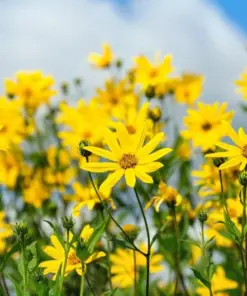
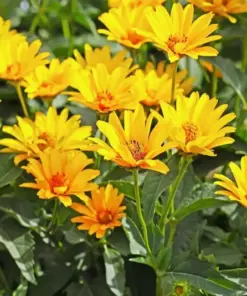
- Attractive Yellow Flowers: Beyond their culinary value, Helianthus tuberosus produces bright, daisy-like yellow flowers in late summer to fall, adding a splash of color to your garden.
- Nutrient-Rich Food Source: The tubers are rich in inulin, a prebiotic fiber, and contain essential vitamins and minerals, contributing to a healthy diet. This edible root vegetable is a fantastic addition to any home garden.
- Pollinator Friendly: The vibrant yellow blooms attract bees and other beneficial pollinators, enhancing the biodiversity of your garden ecosystem.
- Perennial Growth: Once established, Jerusalem Artichoke will return year after year, providing a reliable and continuous harvest without the need for replanting.
- Versatile Use: Suitable for garden beds, raised garden beds, or even large containers, offering flexibility in planting locations.
Plant Care & Growing Tips
Jerusalem Artichoke (Helianthus tuberosus) is a remarkably hardy and adaptable plant, making it a joy to cultivate. For optimal growth, plant your Sunchoke tubers in a location that receives full sun, meaning at least 6 hours of direct sunlight per day. While they tolerate various soils, a well-draining, neutral pH soil is preferred. The tubers should be planted about 4-6 inches deep and 12-18 inches apart. Watering needs are medium; keep the soil consistently moist, especially during dry spells and flowering, but avoid waterlogging. These plants are known for their vigorous growth and can reach heights of 5-10 feet. Fertilization is generally not necessary in rich soil, but a balanced organic fertilizer can be applied if growth seems slow. They are largely pest and disease resistant, making them a low-maintenance choice. This yellow flowering plant is a resilient perennial, ensuring a harvest for years to come.
Size & Details
This offering includes 2 healthy Jerusalem Artichoke tubers, ready for planting. Each tuber has the potential to grow into a robust plant, reaching an average height of 5 to 10 feet and spreading 2 to 4 feet wide, forming clumps. The growth habit is clumping, meaning they tend to grow in groups rather than spreading aggressively throughout the garden, though they can naturalize over time. These tubers are shipped as bare roots, ensuring they are dormant and ready for planting upon arrival. They have an easy cultivating difficulty, making them suitable for gardeners of all experience levels. Expect the plant to produce its characteristic yellow flowers in late summer to early fall, followed by the development of the delicious edible root vegetable.
Frequently Asked Questions
- Q: What is a Jerusalem Artichoke? A: A Jerusalem Artichoke, also known as Sunchoke tubers or Helianthus tuberosus, is a species of sunflower grown for its edible root tubers. It’s a perennial plant that produces both delicious tubers and bright yellow flowers.
- Q: How difficult is it to grow Helianthus tuberosus? A: Growing Helianthus tuberosus is considered easy. They are very adaptable and require minimal care, thriving in most garden conditions with adequate sunlight and moderate watering.
- Q: When is the best time to plant Sunchoke tubers? A: The ideal planting time for Sunchoke tubers is in early spring, after the last frost, or in the fall in warmer climates. This allows the tubers to establish before active growth begins.
- Q: What kind of soil does this edible root vegetable prefer? A: While tolerant of various soil types, Jerusalem Artichoke prefers well-draining soil with a neutral pH. Amending heavy clay soils with compost can improve drainage and aeration.
- Q: Will the yellow flowering plant spread aggressively? A: Jerusalem Artichoke can spread vigorously if left unchecked. To control its spread, you can plant it in a contained bed, a large pot, or harvest diligently each year.
- Q: What are the best uses for Jerusalem Artichoke tubers? A: The tubers can be enjoyed raw in salads, roasted, boiled, mashed, or used in soups and stews. Their nutty flavor adds a unique touch to many dishes.
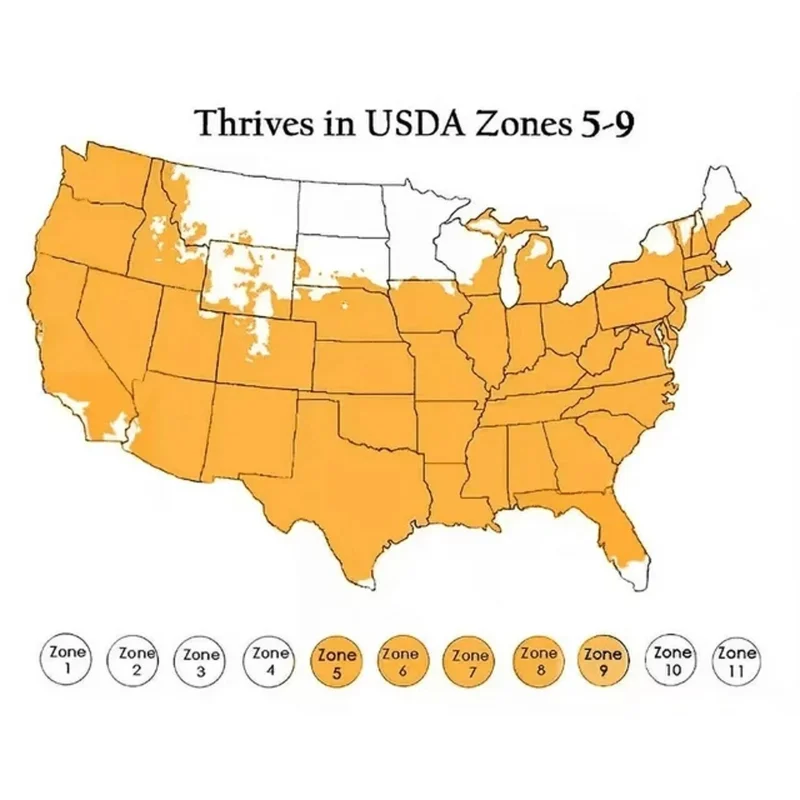
- Q: What kind of climate is best for Jerusalem Artichoke? A: Jerusalem Artichoke thrives in Humid Continental climates and is suitable for outdoor planting in regions with distinct seasons, experiencing spring, summer, and fall interest.










Reviews
There are no reviews yet.