Overview
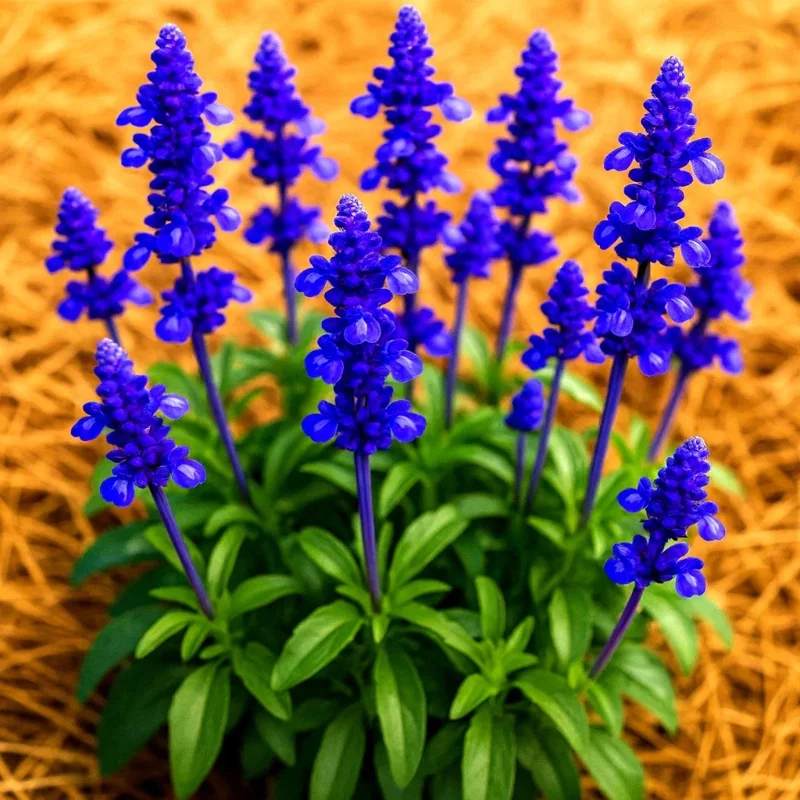
Embark on a rewarding gardening journey with over 200 premium Blue Sage Seeds. These heirloom sage seeds (Salvia Officinalis) offer a unique blend of aesthetic appeal and practical benefits, making them a must-have for any garden enthusiast. Known for their vibrant blue flowers and aromatic foliage, these perennial herb seeds thrive in various climates and are celebrated for their natural ability to act as mosquito repellent plants. Originating from the United States, this variety of sage is not only cold resistant but also incredibly easy to cultivate, making it an excellent choice for both novice and experienced gardeners looking for effective mosquito repellent plants.
Each packet contains more than 200 seeds, ensuring a robust start to your blue sage patch. Whether you’re aiming to create a fragrant herb garden, a beautiful border, or simply looking for natural insect control, these Salvia Officinalis seeds provide a sustainable and attractive solution. Enjoy the beauty and benefits of homegrown blue sage, a versatile herb with a rich history and numerous uses.
Key Benefits
Growing Blue Sage Seeds offers a multitude of advantages for your garden and home. This robust perennial herb is not only easy to establish but also provides long-lasting beauty and utility.
- Natural Pest Deterrent: The strong aromatic oils in blue sage act as a natural deterrent against mosquitoes and other common garden pests. Planting these mosquito repellent plants around your patio or seating areas can significantly reduce insect nuisances.
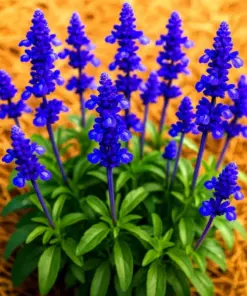
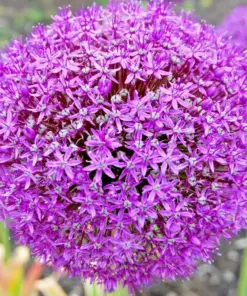
- Beautiful Blue Blooms: Enjoy stunning spikes of blue flowers that attract beneficial pollinators like bees and butterflies, enhancing your garden’s biodiversity and visual appeal.
- Heirloom Quality: These heirloom sage seeds ensure genetic stability and true-to-type plants, allowing you to save seeds for future generations and preserve this valuable variety.
- Culinary & Medicinal Uses: Beyond its beauty and repellent properties, sage is a popular culinary herb, adding distinct flavor to various dishes. It also has traditional medicinal applications.
- Drought Tolerant: Once established, blue sage is remarkably drought-tolerant, requiring less water than many other garden plants and making it ideal for xeriscaping.
- Low Maintenance: As perennial herb seeds, blue sage is a low-maintenance plant that returns year after year, providing continuous beauty and benefits with minimal effort.
Plant Care & Growing Tips
Cultivating Blue Sage Seeds is a straightforward process, ideal for gardeners of all skill levels. To ensure successful growth and a thriving patch of mosquito repellent plants, follow these essential care guidelines.
Sunlight: Blue sage thrives in full sun to partial shade, meaning it needs at least 6 hours of direct sunlight per day. While it can tolerate some afternoon shade, especially in hotter climates, more sun generally leads to more vigorous growth and abundant blooms.
Watering: These perennial herb seeds prefer medium watering. Keep the soil consistently moist until germination and while the plants are young. Once established, blue sage is quite drought-tolerant. Allow the top inch or two of soil to dry out between waterings to prevent root rot, especially in humid conditions.
Soil Type: Blue sage is adaptable to a range of soil types, including clay, loam, peat, sand, and silt. The most crucial factor is good drainage. A neutral soil pH is preferred. If your soil is heavy clay, amend it with organic matter to improve drainage. For sandy soils, adding compost can help retain moisture and nutrients.
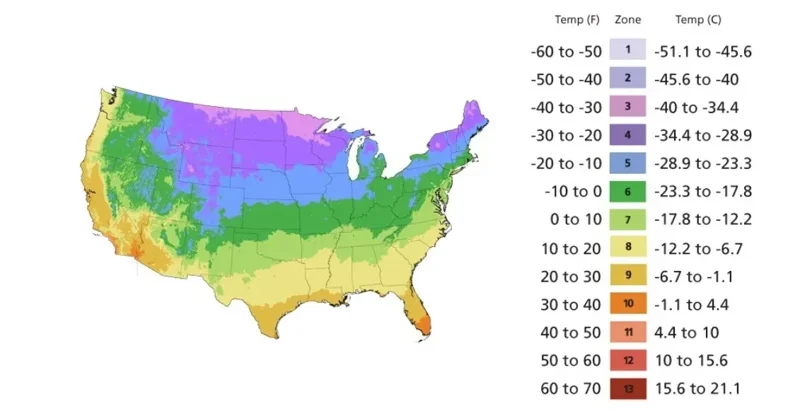
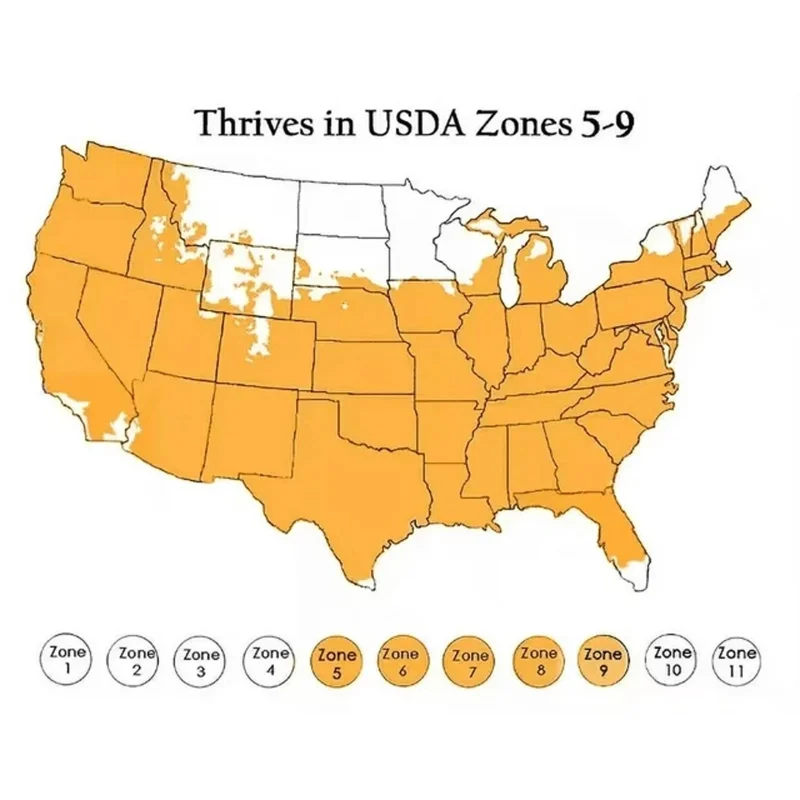
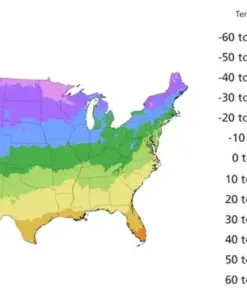
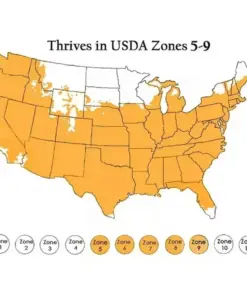
USDA Hardiness Zone: This variety is cold resistant and hardy in USDA Zone 5 (-20 to -10 °F) and above, making it suitable for a wide range of climates across the United States.
Fertilizing: Sage is not a heavy feeder. A light application of balanced organic fertilizer in spring is usually sufficient. Avoid over-fertilizing, as this can lead to lush foliage but fewer flowers and weaker essential oil production.
Pest and Disease Control: Blue sage is naturally insect-repelling, thanks to its aromatic compounds. While generally robust, ensure good air circulation to prevent fungal issues in humid environments. Watch for common garden pests like aphids, though they are less likely to bother sage due to its repellent nature.
Planting Time: The ideal planting time for Blue Sage Seeds is approximately 2 weeks for germination, allowing for spring or early summer planting after the last frost. For optimal results, start indoors 6-8 weeks before the last frost date.
Size & Details
These Blue Sage Seeds mature into robust perennial plants, offering both beauty and functionality to your outdoor space. Each packet contains over 200 seeds, providing ample opportunity to establish a significant patch of these valuable herbs. The plants exhibit a clumping growth habit, forming dense, attractive mounds of foliage that can reach a moderate height and spread, typically between 18 to 30 inches tall and wide at maturity. Growth rate is considered fast, allowing you to enjoy established plants relatively quickly from these Salvia Officinalis seeds. They are shipped as seeds, ready for you to sow directly or start indoors. Blue sage is known for its open-pollinating nature and is an heirloom variety, ensuring genetic purity and the ability to save seeds for future plantings. These plants are cold resistant and suitable for container gardening, making them versatile additions to any garden design. The primary form of the product is perennial herb seeds, designed for direct planting.
Frequently Asked Questions
- Q: How many Blue Sage Seeds are included in one packet?
A: Each packet contains over 200 high-quality Blue Sage Seeds, providing a generous quantity for your planting needs.
- Q: Are these mosquito repellent plants effective against all types of mosquitoes?
A: While blue sage is widely recognized for its natural mosquito-repelling properties, its effectiveness can vary depending on mosquito species and environmental factors. It acts as a general deterrent.
- Q: What is the best climate for growing these heirloom sage seeds?
A: Blue sage is adaptable to various climates, from dry to humid subtropical. It is cold resistant and hardy in USDA Zone 5, making it suitable for many regions in the United States.
- Q: How difficult is it to cultivate Salvia Officinalis seeds?
A: The cultivating difficulty for these perennial herb seeds is rated as easy, making them an excellent choice for beginner gardeners and those seeking low-maintenance additions to their garden.
- Q: Can I grow blue sage in a container?
A: Yes, blue sage is well-suited for container gardening. Ensure the container has good drainage and is large enough to accommodate the plant’s mature size.
- Q: What kind of soil do these mosquito repellent plants prefer?
A: Blue sage is tolerant of various soil types including clay, loam, peat, sand, and silt, as long as the soil is well-draining and has a neutral pH.
- Q: When is the best season of interest for blue sage?
A: Blue sage offers interest throughout the spring, summer, and fall, with its attractive foliage and beautiful blue flowers.
- Q: Do these heirloom sage seeds produce edible leaves?
A: Yes, Salvia Officinalis, or common sage, is a well-known culinary herb. The leaves are edible and can be used to flavor various dishes.







Reviews
There are no reviews yet.