Overview
Discover the joy of growing your own aromatic herbs with our premium pack of 500 culantro seeds. Also widely known as recao seeds, ngò gai seeds, or Mexican coriander seeds, Culantro (Eryngium foetidum) is a distinctive herb cherished in many cuisines, particularly in Latin American, Caribbean, and Asian dishes. Unlike its cousin cilantro, culantro offers a more robust flavor and holds up better during cooking, making it an essential ingredient for stews, soups, and marinades. These herb seeds provide an excellent opportunity for both novice and experienced gardeners to cultivate a fresh, continuous supply of this versatile plant right at home. Enjoy the rich, unique aroma and taste of freshly picked culantro in your culinary creations.
Key Benefits
Our culantro seeds offer numerous advantages for home gardeners and culinary enthusiasts:
- Authentic Flavor: Grow your own fresh culantro, known for its strong, pungent aroma and flavor, distinct from traditional cilantro. Perfect for adding an authentic touch to diverse dishes.
- High Yield: With 500 recao seeds, you can ensure a plentiful and continuous harvest of fresh leaves, providing a steady supply for all your cooking needs.
- Easy to Grow: These ngò gai seeds are classified as easy to cultivate, making them suitable for gardeners of all skill levels. Simple instructions help ensure successful germination and growth.
- Versatile Use: Utilize fresh culantro leaves in a wide array of recipes, including sofritos, stews, curries, and salads. Its robust flavor stands up well to heat.
- Indoor and Outdoor Cultivation: Adaptable to various growing environments, these Mexican coriander seeds can thrive both indoors in pots or outdoors in garden beds, depending on your climate and space.
- Freshness Guaranteed: Enjoy the unparalleled freshness and vibrant taste of herbs picked directly from your garden, far superior to store-bought options.
- Cost-Effective: Growing your own herb seeds is an economical way to maintain a steady supply of this often-pricy specialty herb.
Plant Care & Growing Tips
For successful cultivation of your culantro seeds, consider the following care and growing tips. Culantro thrives in conditions similar to its native tropical environment. Sunlight: It prefers partial shade to full sun, though in hotter climates, some afternoon shade can prevent scorching. Watering: Keep the soil consistently moist but not waterlogged. Culantro is not drought-tolerant, so regular watering is crucial, especially during dry spells. Soil: Plant in well-draining, rich, organic soil with a pH between 6.0 and 7.0. Amending heavy soils with compost or peat moss can improve drainage and nutrient content. Temperature & Zone: Culantro is a tropical annual. It grows best in warm temperatures, typically above 60°F (15°C). In cooler climates, it can be grown as an annual or overwintered indoors. Fertilizer: A balanced, all-purpose liquid fertilizer can be applied every 2-4 weeks during the growing season, or incorporate slow-release granular fertilizer into the soil at planting. Common Problems: Watch out for aphids or spider mites, which can be managed with insecticidal soap. Ensure good air circulation to prevent fungal issues in humid conditions. Proper care will help your recao seeds develop into healthy, productive plants.
Size & Details
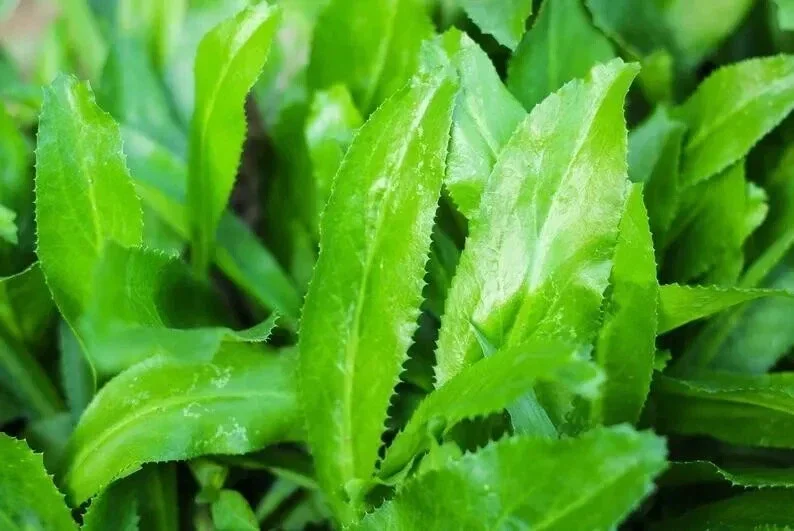
This product includes a packet containing approximately 500 culantro seeds, providing ample opportunity for multiple plantings or a large harvest. Culantro plants typically grow to a height of 6-12 inches (15-30 cm) with a spread of similar dimensions, forming a rosette of long, serrated leaves. The growth rate is moderate, with leaves ready for harvesting usually within 60-90 days from planting. These herb seeds are shipped as dormant seeds, ready for germination upon arrival. While specific pot size for individual plants can vary, a 6-8 inch diameter pot is suitable for a single plant, or larger containers for multiple plants. Culantro is an annual, completing its life cycle within one growing season, though it often self-seeds in favorable conditions. The ease of cultivation makes these ngò gai seeds a rewarding addition to any garden.
Frequently Asked Questions
- Q: What is the best way to germinate culantro seeds?
A: Culantro seeds can be slow to germinate. Soaking them in warm water for 24 hours before planting can help. Plant them shallowly in well-draining seed-starting mix, keep the soil consistently moist, and maintain a warm environment (70-75°F or 21-24°C). Light can also aid germination.
- Q: Can I grow culantro indoors?
A: Yes, Mexican coriander seeds are excellent for indoor cultivation. Provide them with a sunny windowsill or supplemental grow lights, and ensure good air circulation. Keep the soil moist and temperatures warm for optimal growth.
- Q: How often should I water my culantro plant?
A: Culantro prefers consistently moist soil. Water regularly, especially during dry periods, ensuring the soil doesn’t dry out completely between waterings. Avoid overwatering, which can lead to root rot.
- Q: What is the difference between culantro and cilantro?
A: While both are in the same plant family, culantro (Eryngium foetidum) has longer, tougher, serrated leaves and a much stronger, more pungent flavor. Cilantro (Coriandrum sativum) has delicate, lacy leaves and a milder taste. Culantro also holds its flavor better when cooked.
- Q: When is the best time to plant culantro seeds?
A: In tropical climates, herb seeds like culantro can be planted year-round. In temperate regions, it’s best to start seeds indoors 4-6 weeks before the last frost and transplant outdoors after all danger of frost has passed, or grow them as an annual.
- Q: What kind of sunlight does culantro need?
A: Culantro thrives in partial shade to full sun. In very hot climates, partial shade during the hottest part of the day can prevent leaf scorch, while in cooler areas, more sun can encourage growth.
- Q: How difficult is it to grow culantro from seed?
A: Growing culantro seeds is considered easy in terms of cultivation difficulty once germination occurs. The main challenge can be the initial germination, which can sometimes be slow and require patience.

Reviews
There are no reviews yet.