Overview
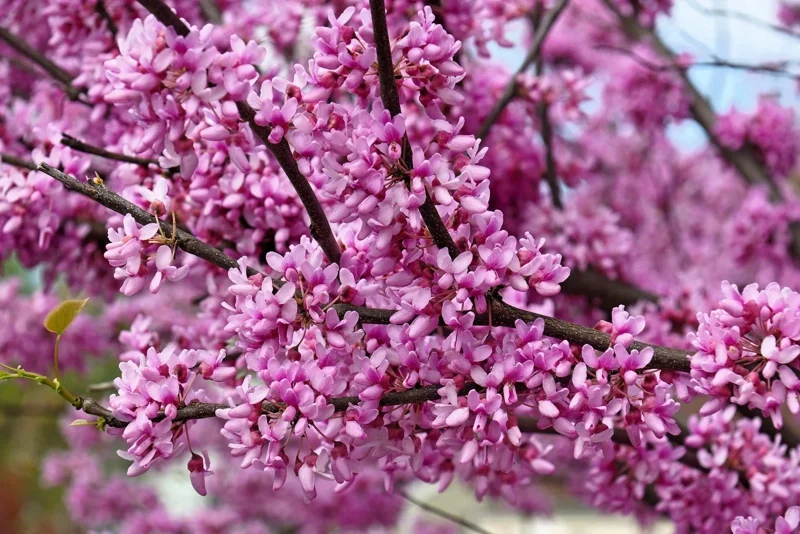
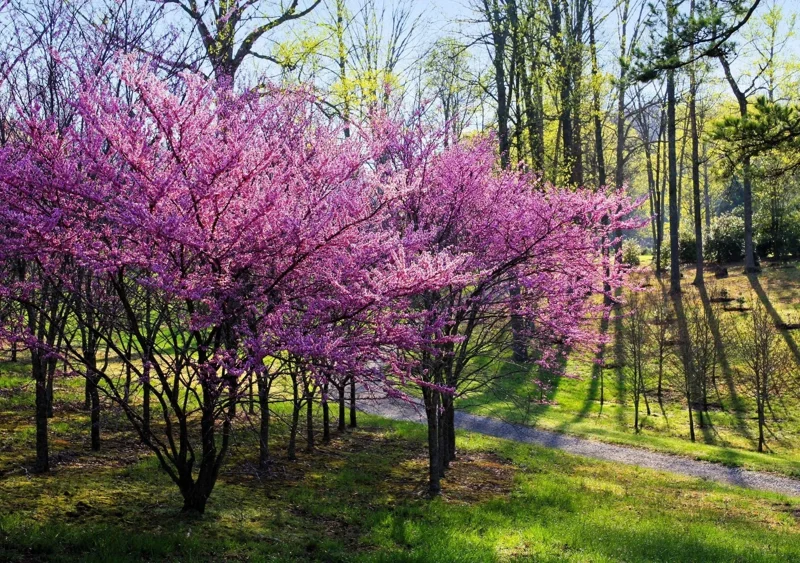
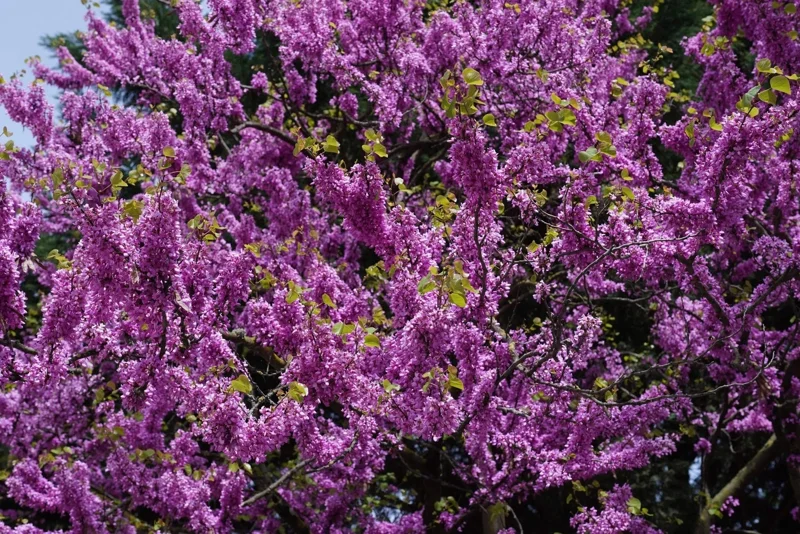
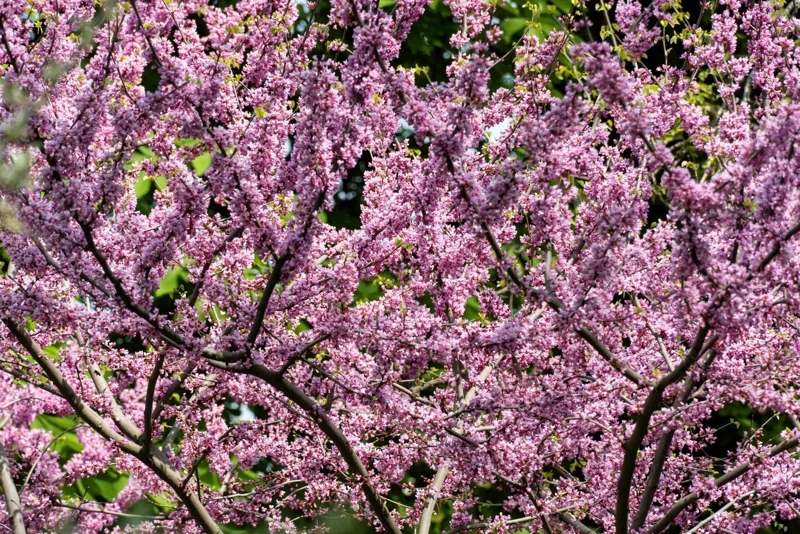
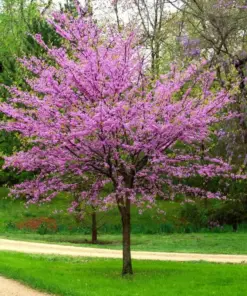
Discover the joy of growing your own magnificent Eastern Redbud tree seeds (Cercis Canadensis). This offering includes 20 premium seeds, ready to transform into a stunning, medium-sized deciduous tree renowned for its breathtaking display of pink to purplish-pink flowers in early spring. The Eastern Redbud tree seeds are perfect for gardeners seeking to add native beauty and vibrant color to their landscape. Known for its distinctive heart-shaped leaves and attractive bark, the Redbud is a versatile and resilient choice. As a native tree, Cercis Canadensis thrives in many North American climates, providing ecological benefits and visual appeal.
Key Benefits
Planting Eastern Redbud tree seeds offers numerous advantages for both your garden and the local ecosystem. These seeds provide an opportunity to cultivate a beautiful and beneficial native species:
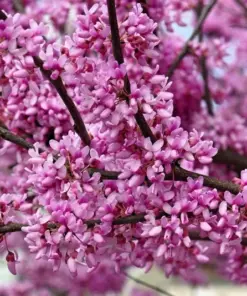
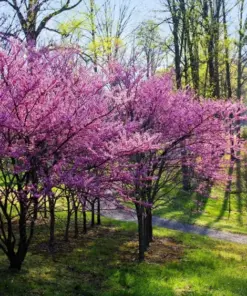
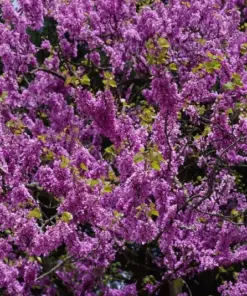
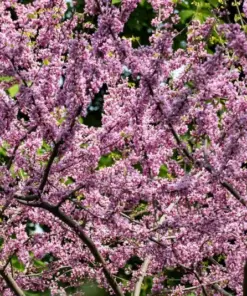
- Stunning Spring Blooms: Enjoy an early spring spectacle of abundant, vibrant pink to purplish-pink flowers that emerge directly on the branches before the leaves, creating a dramatic visual impact.
- Native & Hardy: As a pink flowering native tree, the Eastern Redbud is well-adapted to various soil types and climates, making it a low-maintenance and resilient choice for many regions.
- Attracts Pollinators: The early blooms provide a crucial nectar source for bees and other pollinators, supporting local biodiversity and garden health.
- Attractive Foliage: Beyond its flowers, the tree boasts beautiful heart-shaped leaves that turn a lovely yellow in the fall, offering multi-season interest.
- Moderate Growth Rate: Redbud tree growing from seed will develop into a medium-sized tree, providing shade and ornamental value without becoming overly large.
- Erosion Control: Its root system can help stabilize soil, making it a good choice for sloped areas or erosion-prone sites.
- Sustainable Gardening: Growing from native tree seeds contributes to sustainable landscaping practices and supports local ecosystems.
Plant Care & Growing Tips
Growing Eastern Redbud tree seeds can be a rewarding experience with the right care. These Cercis Canadensis seeds require a period of stratification and scarification to encourage germination. Once germinated, provide full sun to partial shade for optimal growth; full sun encourages more prolific flowering. The Eastern Redbud prefers well-drained soil, thriving in loam and clay soils with a neutral pH. While adaptable, consistent moisture is beneficial, especially during dry periods, but avoid waterlogging. Watering should be medium, allowing the soil to dry slightly between waterings. Fertilization is generally not heavily required once established, but a balanced, slow-release fertilizer can support young trees. This pink flowering native tree is relatively disease-resistant but can occasionally be affected by canker or verticillium wilt; ensuring good air circulation and proper pruning can help prevent these issues. Protect young seedlings from harsh frosts. The cultivating difficulty is moderate, making it a suitable project for gardeners with some experience or those willing to learn.
Size & Details
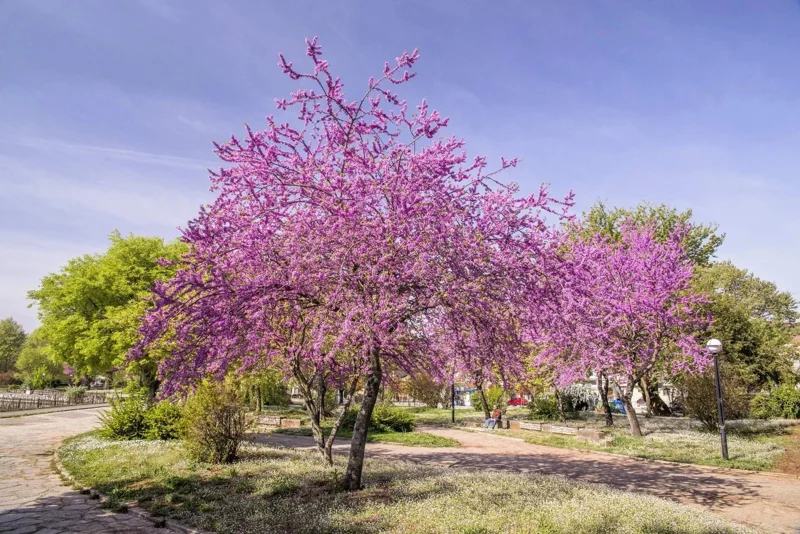
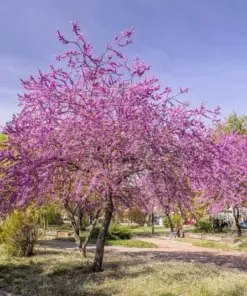
This package contains 20 high-quality Eastern Redbud tree seeds (Cercis Canadensis). When grown, this perennial tree typically reaches a mature height of 20-30 feet with a spread of 25-35 feet, forming a lovely rounded canopy. The growth rate is moderate, meaning it will establish itself and show significant growth within a few years. These are tree seeds for planting, not live plants. The season of interest for this pink flowering native tree includes summer and fall for its foliage, with its most spectacular display in early spring when it bursts into bloom. The trees are outdoor plants, suitable for landscaping and garden settings. Growing native tree seeds allows you to witness the full life cycle of this beautiful species.
Frequently Asked Questions
- Q: What is the best time to plant Eastern Redbud tree seeds?
A: After proper stratification and scarification, Cercis Canadensis seeds are typically best sown in late fall or early spring.
- Q: How long does it take for Eastern Redbud seeds to germinate?
A: Germination can vary, but with proper pre-treatment (scarification and stratification), seeds can germinate within a few weeks to several months. Be patient with Redbud tree growing from seed.
- Q: What kind of soil does the Eastern Redbud prefer?
A: This pink flowering native tree thrives in a variety of well-drained soils, including loam and clay, with a neutral pH.
- Q: How much sunlight do Eastern Redbud trees need?
A: They perform best in full sun to partial shade. Full sun encourages more abundant flowering.
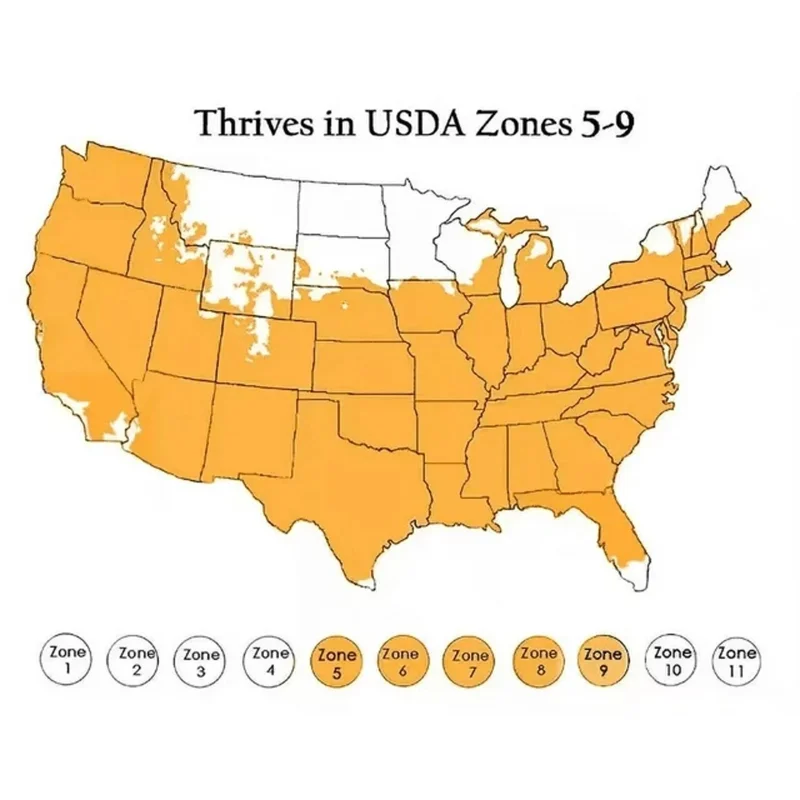
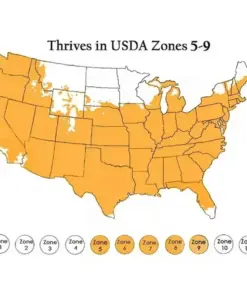
- Q: Are these seeds suitable for all climates?
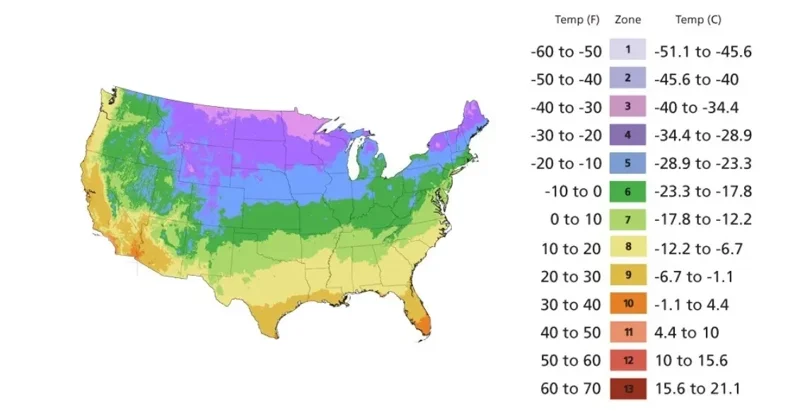
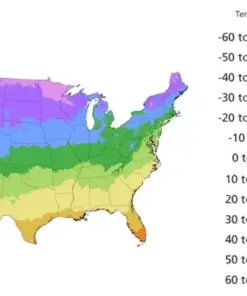
A: The Eastern Redbud tree seeds are native to a wide range of regions and are quite adaptable, able to withstand various temperature fluctuations.
- Q: How tall does an Eastern Redbud tree get?
A: A mature Eastern Redbud typically reaches a height of 20-30 feet, making it a medium-sized ornamental tree.
- Q: Is the Eastern Redbud tree difficult to grow from seed?
A: The cultivating difficulty is moderate due to the need for specific pre-treatment methods (scarification and stratification) to break seed dormancy.
- Q: Do I need to fertilize my Eastern Redbud tree?
A: Young trees benefit from a balanced, slow-release fertilizer, but established trees generally require minimal fertilization.
- Q: Will this tree attract wildlife?
A: Yes, the early spring flowers of the pink flowering native tree are a valuable food source for early pollinators like bees, and the seeds can be eaten by birds.
- Q: What are the benefits of planting native tree seeds?
A: Planting native tree seeds like the Eastern Redbud supports local ecosystems, provides food and shelter for wildlife, and often requires less maintenance once established compared to non-native species.






Reviews
There are no reviews yet.