Overview
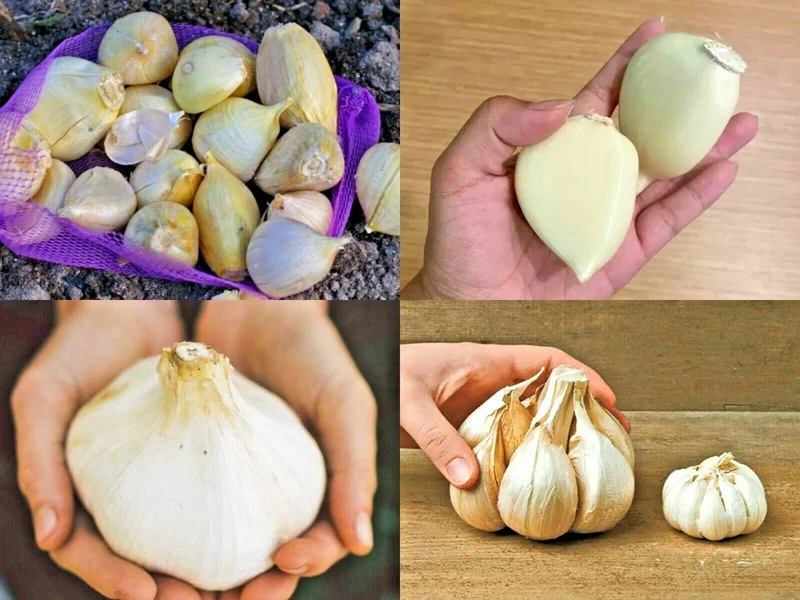
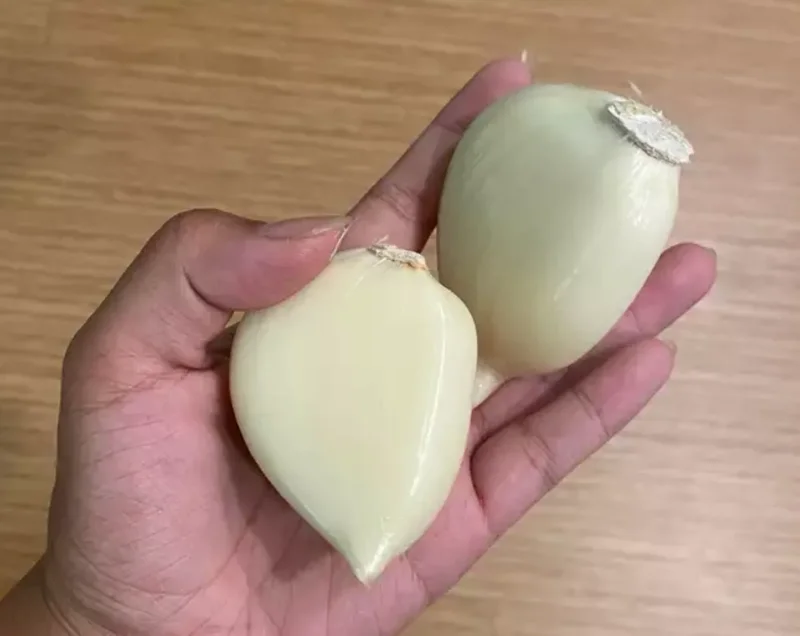
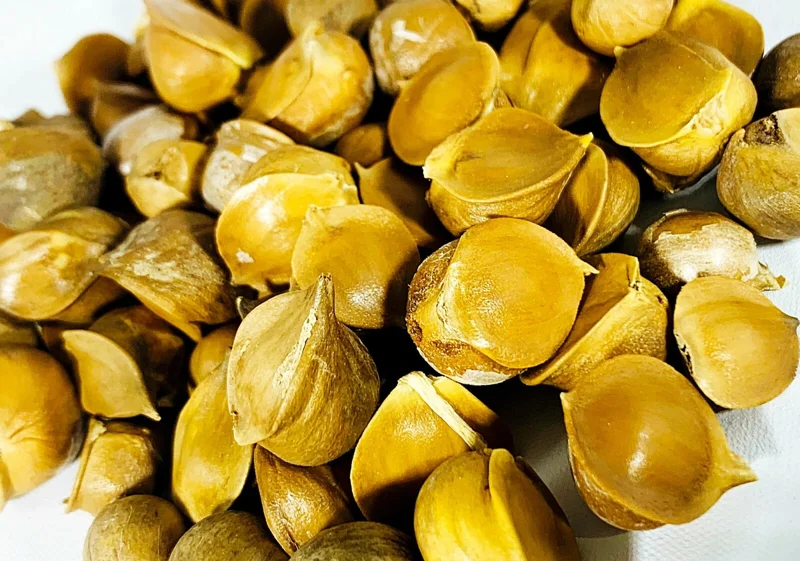
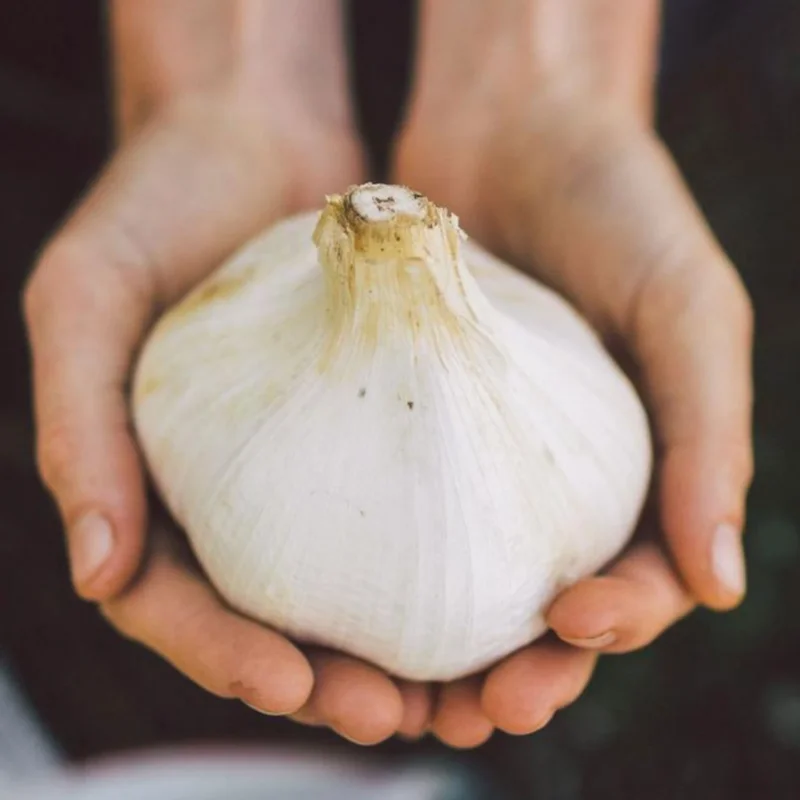
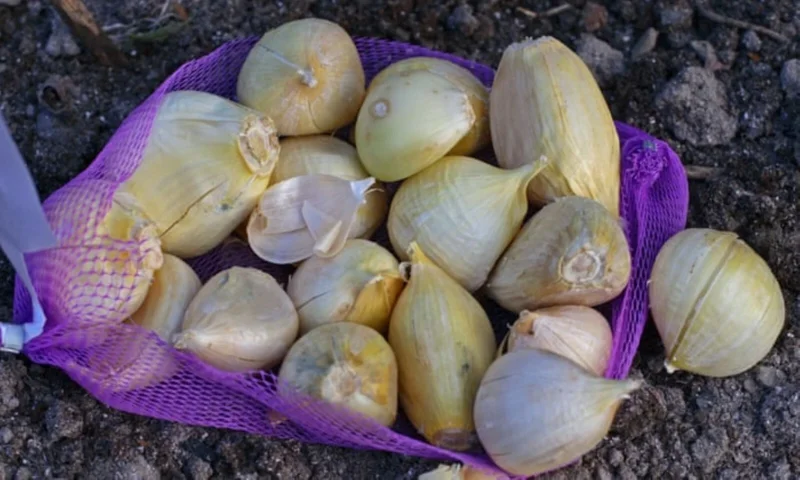
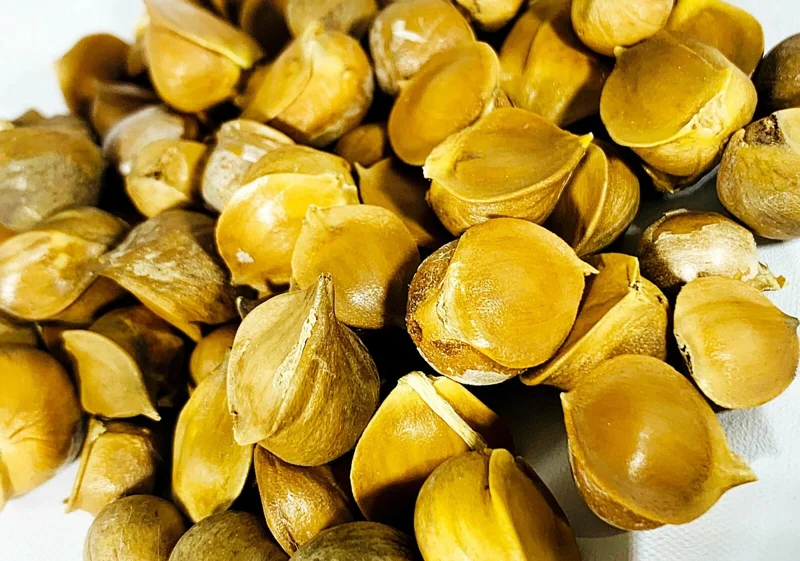
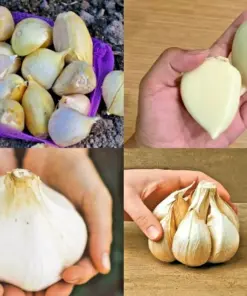
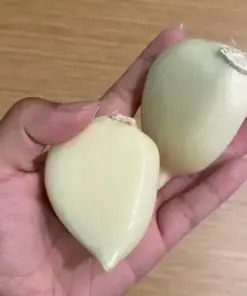
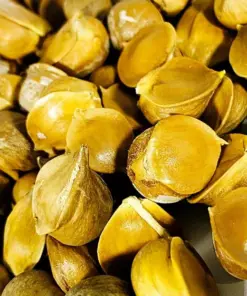
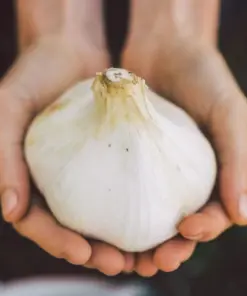
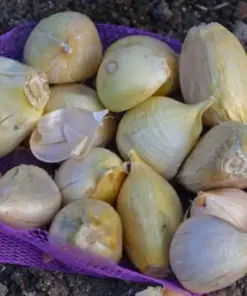
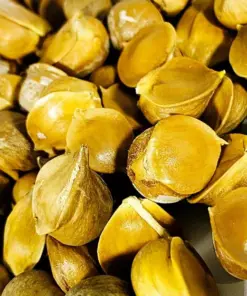
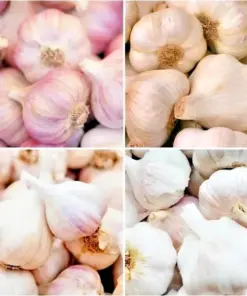
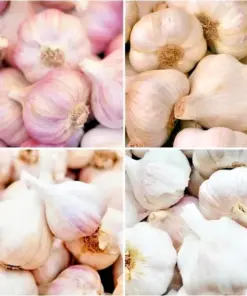
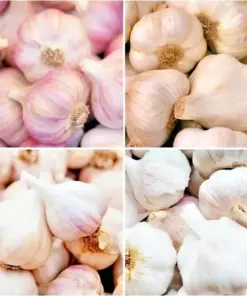
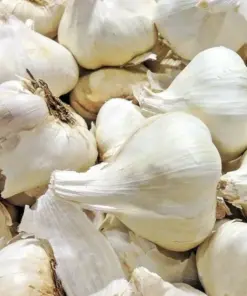
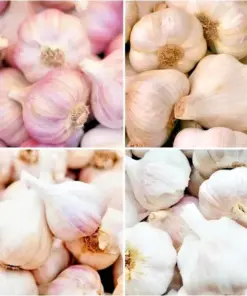
Discover the joy of growing your own substantial and flavorful elephant garlic corms. These premium corms are sourced from fresh, healthy harvests within the USA, ensuring top quality for your garden. While botanically a leek, elephant garlic (Allium ampeloprasum) is cherished for its impressive size and milder, sweeter flavor compared to traditional garlic. It’s a fantastic choice for gardeners seeking a robust and rewarding crop that is also incredibly easy to cultivate. Imagine harvesting these magnificent bulbs, perfect for roasting, grilling, or adding a gentle garlic essence to your favorite dishes.
These corms are ideal for both novice and experienced gardeners, promising vigorous growth and a generous yield. Our fresh elephant garlic corms are ready for planting, offering you the opportunity to enjoy homegrown produce with minimal effort.
Key Benefits
Growing elephant garlic corms brings a multitude of benefits to your garden and kitchen. Not only do they provide a delicious ingredient, but they also offer several advantages for the home gardener:
- Very Easy Cultivation: These corms are renowned for their ‘Very Easy’ cultivating difficulty, making them perfect for beginners or those seeking a low-maintenance crop. You can confidently grow elephant garlic without extensive gardening experience.
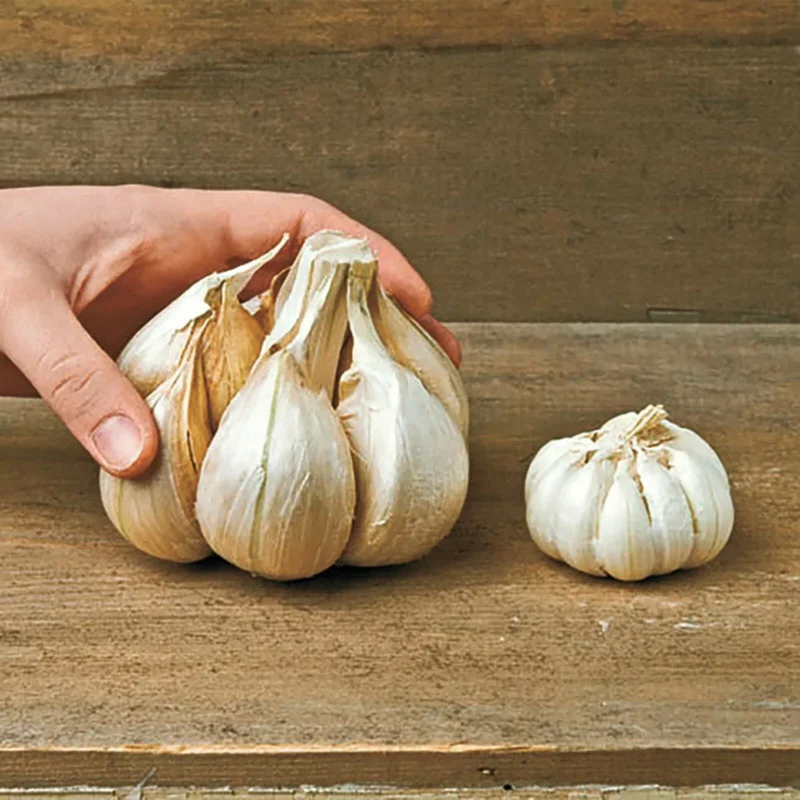
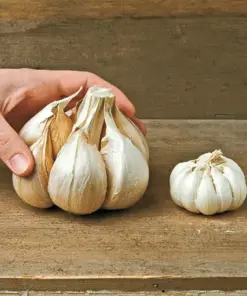
- Large and Mild Bulbs: Elephant garlic produces impressively large bulbs with a distinctively mild and sweet flavor, making it versatile for various culinary applications without overpowering other ingredients.
- Perennial Growth: Once established, these corms are perennial, meaning they can return year after year, offering a continuous supply of fresh garlic with proper care.
- Versatile Soil Adaptation: Elephant garlic thrives in a wide range of soil types, including chalk, clay, loam, peat, sand, and silt, provided the soil is well-draining. This adaptability makes it easier to grow elephant garlic in diverse garden conditions.
- USA Grown Quality: These corms are USA grown garlic, ensuring high quality and freshness, supporting local agriculture, and providing a robust start to your plants.
- Multiple Uses: Beyond culinary uses, elephant garlic is known for its air-purifying qualities and can be a beautiful addition to an edible landscape.
Plant Care & Growing Tips
Cultivating healthy and productive elephant garlic corms is straightforward with a few key care practices. These plants prefer a sunny location, ideally receiving full sun for at least 6-8 hours daily, though they can tolerate medium sun. Good drainage is crucial, as waterlogged soil can lead to rot. Plant your corms in well-draining soil that is slightly alkaline; a blend of chalk, clay, loam, peat, sand, or silt can work well. Ensure the soil is loose and rich in organic matter for optimal growth.
Watering should be light to moderate, allowing the soil to dry out slightly between waterings. Avoid overwatering, especially during dormant periods. Fertilize sparingly with a balanced, slow-release fertilizer during the growing season to encourage robust bulb development. Elephant garlic is cold resistant and can be planted in various climates, from arid to humid subtropical. The ideal planting time is typically around 3 weeks before the first hard frost in fall, or in early spring. Keep an eye out for common garden pests, though elephant garlic is generally quite resilient. With these tips, you’ll be able to grow elephant garlic successfully.
Size & Details
These elephant garlic corms are offered in various quantities to suit your gardening needs, from sample sizes to bulk options, allowing you to choose the perfect amount for your garden. Each corm is selected for its health and vigor, promising a strong start. Elephant garlic typically grows as a clumping plant, reaching heights of 2-3 feet with an equal spread, producing impressive bulbs that can weigh up to a pound each at maturity. The life cycle is perennial, meaning the plants will return annually from the corms left in the ground. They are shipped as fresh corms, ready for immediate planting. Expect to harvest your first bulbs typically in late spring to early summer, about 8-9 months after fall planting, or shorter if planted in spring. The ‘Very Easy’ cultivating difficulty makes this an appealing choice for anyone looking to add fresh elephant garlic to their garden.
Frequently Asked Questions
- Q: What is the best time to plant these elephant garlic corms? A: The optimal planting time is generally in the fall, about 3 weeks before the first hard frost, allowing the corms to establish roots before winter. Spring planting is also possible, though bulbs may be slightly smaller. This is key for those who want to grow elephant garlic successfully.
- Q: How much sunlight do elephant garlic plants need? A: Elephant garlic thrives in full sun, requiring at least 6-8 hours of direct sunlight per day for the best bulb development. It can tolerate medium sun but may produce smaller bulbs.
- Q: What kind of soil is best for growing elephant garlic? A: Well-draining, slightly alkaline soil is ideal. It can adapt to various soil types, including chalk, clay, loam, peat, sand, and silt, as long as drainage is good.
- Q: Are these corms difficult to grow for beginners? A: No, elephant garlic is known for its ‘Very Easy’ cultivating difficulty, making it an excellent choice for beginner gardeners or those looking for a low-maintenance crop. You’ll find it easy to grow elephant garlic.
- Q: How long does it take to harvest elephant garlic after planting? A: If planted in the fall, you can typically expect to harvest mature bulbs in late spring to early summer of the following year, which is about 8-9 months. Spring-planted corms may mature sooner but often result in smaller bulbs.
- Q: Can elephant garlic be grown in containers? A: Yes, elephant garlic can be grown in large containers, ensuring they have adequate drainage and sufficient space for the large bulbs to develop. Use a pot at least 12-18 inches deep and wide.
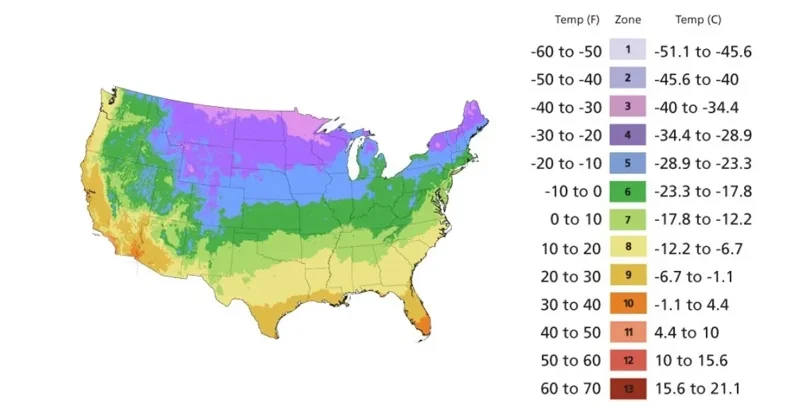
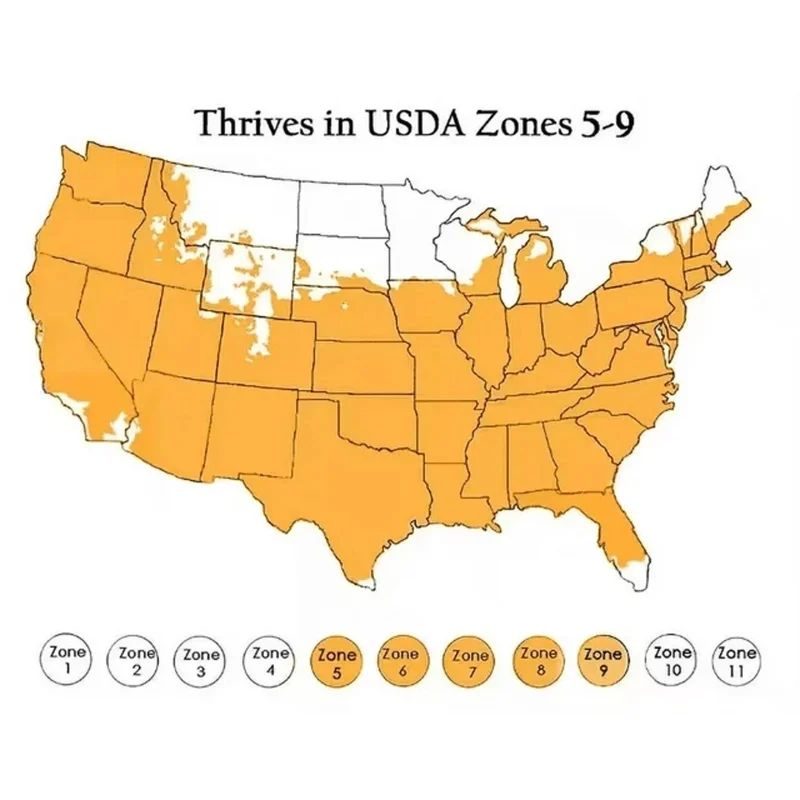
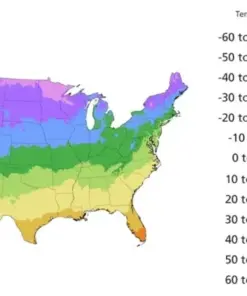
- Q: What climatic conditions are suitable for elephant garlic? A: Elephant garlic is quite adaptable and cold resistant. It can grow in various climates, from arid to humid subtropical, thriving across a wide range of USDA zones. Our USA grown garlic is suited for many regions.







Reviews
There are no reviews yet.