Overview
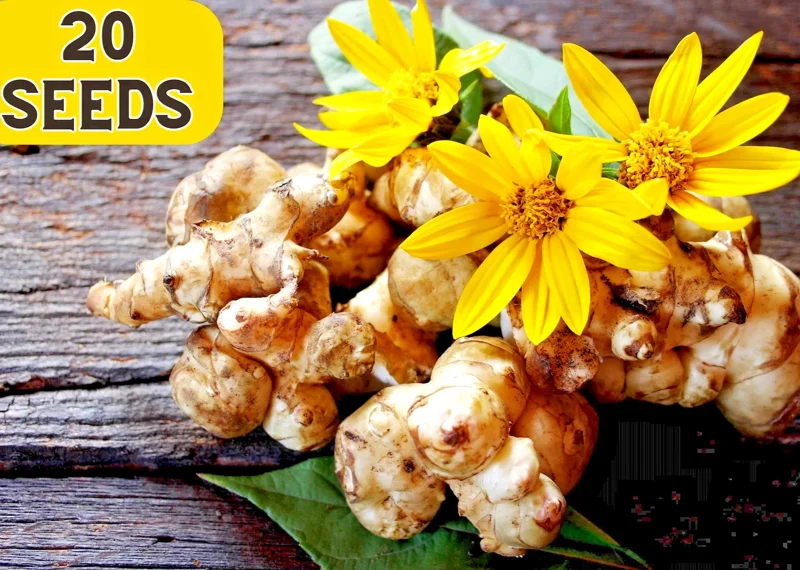
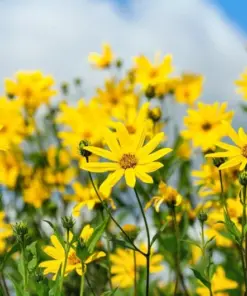
Cultivate your own harvest with these premium Jerusalem Artichoke seeds, also known as sunchoke seeds or Helianthus Tuberosus seeds. These versatile seeds are your gateway to growing a unique and beneficial plant that offers both ornamental beauty and edible tubers. The Jerusalem Artichoke, despite its name, is not related to the traditional artichoke and is actually a species of sunflower native to North America. It produces vibrant yellow, sunflower-like blooms and develops a crunchy, nutty-flavored tuber underground. This perennial vegetable is a fantastic addition to any garden, known for its robust growth and minimal care requirements. It’s an excellent choice for gardeners looking for a sustainable and productive crop.
Key Benefits
Growing Jerusalem Artichoke seeds offers a multitude of advantages for both the gardener and the environment. These highly adaptable plants are a joy to cultivate and provide a reliable harvest.
- Easy to Grow & Maintain: These sunchoke seeds are ideal for gardeners of all skill levels. The plants require minimal attention once established, thriving with basic care.
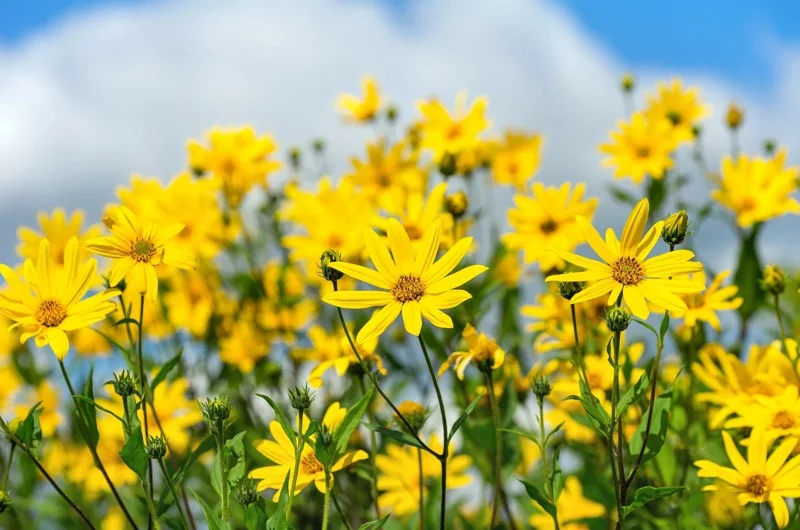
- Dual Purpose Plant: Enjoy both the cheerful yellow flowers that add aesthetic appeal to your garden and the delicious, nutritious tubers harvested from the plant.
- Nutrient-Rich Edible Tubers: The tubers of Helianthus Tuberosus seeds are a fantastic source of inulin, a prebiotic fiber, and offer a unique, slightly sweet flavor perfect for roasting, boiling, or eating raw.
- Attracts Pollinators: The bright yellow flowers are a magnet for bees and other beneficial pollinators, contributing to the biodiversity and health of your garden ecosystem.
- Hardy Perennial Growth: As a perennial vegetable, these plants will return year after year, providing a continuous supply of tubers without the need for annual replanting of seeds.
- Soil Improvement: The extensive root system of the Jerusalem Artichoke can help improve soil structure and prevent erosion in your garden.
- Drought Tolerant: Once established, Jerusalem Artichokes are quite resilient and can tolerate periods of drought, making them a low-water option for many regions.
Plant Care & Growing Tips
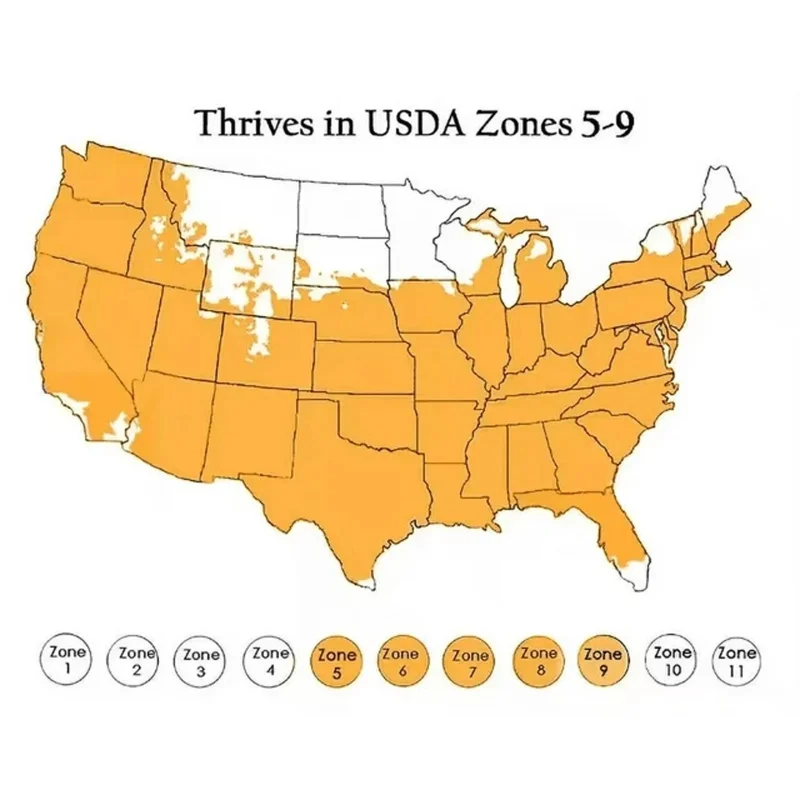
Growing Jerusalem Artichoke seeds is remarkably straightforward, making them a popular choice for both novice and experienced gardeners. For optimal growth, plant your sunchoke seeds in a location that receives full sun, meaning at least 6-8 hours of direct sunlight daily. While they can tolerate some partial shade, full sun will lead to more robust growth and better tuber development. These plants are not particularly fussy about soil, thriving in a wide range of conditions, but they prefer well-draining soil with a neutral pH. Avoid heavy, waterlogged soils, as this can lead to tuber rot. Once established, Jerusalem Artichokes are relatively drought-tolerant, but consistent medium watering during dry spells will encourage better tuber formation. They are hardy perennials, suitable for a wide range of climates (Humid Continental climate is well-suited). Fertilization is generally not heavily required; a balanced organic fertilizer applied in spring can boost growth, but often the plants do well without it. Due to their vigorous growth habit and ability to spread, it’s often recommended to plant Helianthus Tuberosus seeds in a dedicated bed or an area where their spread can be managed, such as with root barriers. Watch out for slugs and snails in damper conditions, especially when plants are young. These perennial vegetable seeds are easy to cultivate.
Size & Details
These Jerusalem Artichoke seeds will grow into impressive plants that can reach heights of 5-10 feet (1.5-3 meters) and spread to form dense clumps. Each packet contains 20 high-quality sunchoke seeds, providing a good start for your garden. The plants exhibit a clumping growth habit and are known for their fast growth rate. While the tubers are the primary harvest, the vibrant yellow flowers are a delightful bonus, typically blooming from late summer into fall. As a perennial vegetable, once planted, these plants will establish themselves and return for many years, with tubers ready for harvest in the fall after the first hard frost. The tubers themselves vary in size and shape depending on growing conditions and variety.
Frequently Asked Questions
- Q: What is the best time to plant Jerusalem Artichoke seeds?
A: The best time to plant Jerusalem Artichoke seeds is in the spring after the last frost, or in the fall in milder climates. This allows the tubers to establish before extreme temperatures.
- Q: How long does it take for Jerusalem Artichokes to grow from seeds?
A: While the plants will grow and flower in their first year from sunchoke seeds, the tubers are typically harvested in the fall after the first growing season. Significant tuber production will increase in subsequent years as the plant establishes as a perennial vegetable.
- Q: Do Jerusalem Artichokes require a lot of water?
A: Helianthus Tuberosus seeds grow into plants that prefer medium watering. They are quite hardy once established and can tolerate some drought, but consistent moisture will lead to better tuber development.
- Q: Can Jerusalem Artichokes be grown in containers?
A: Due to their vigorous growth and spreading habit, growing Jerusalem Artichokes in large containers or raised beds is possible, but they will thrive best with ample space in the ground. This helps manage their tendency to spread.
- Q: What kind of sunlight do Jerusalem Artichokes need?
A: For best results, Jerusalem Artichokes need full sun, meaning at least 6-8 hours of direct sunlight per day. This ensures healthy growth and good tuber yield.
- Q: What are the main uses for Jerusalem Artichoke tubers?
A: The tubers from Jerusalem Artichoke seeds are versatile and can be eaten raw, roasted, boiled, mashed, or added to soups and stews. They have a unique, slightly sweet, nutty flavor.
- Q: Are Jerusalem Artichokes considered invasive?
A: Jerusalem Artichokes can spread aggressively due to their underground tubers. It’s often recommended to plant them in an area where their spread can be contained, or to harvest tubers thoroughly each fall to manage their population.
- Q: Do these seeds produce yellow flowers?
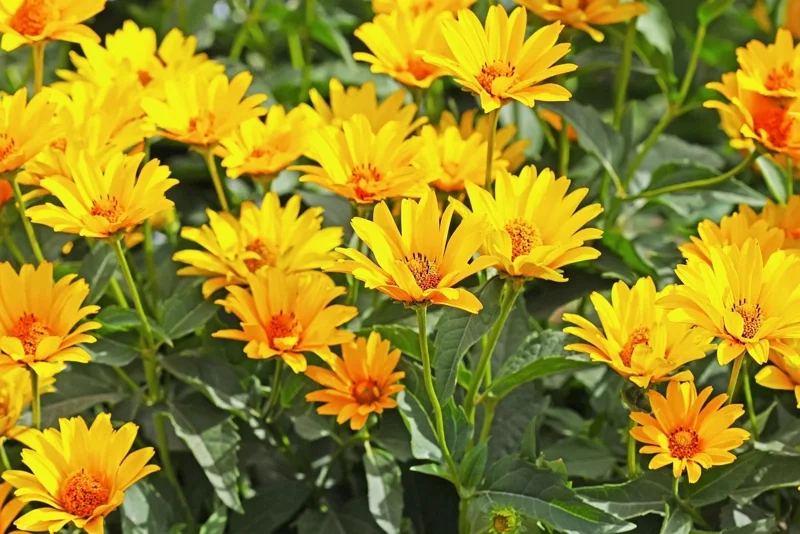
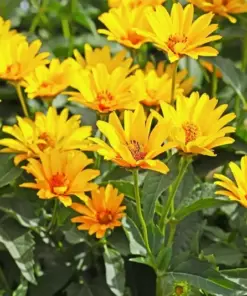
A: Yes, these Jerusalem Artichoke seeds (Helianthus Tuberosus seeds) will grow into plants that produce beautiful yellow, sunflower-like flowers, adding an attractive element to your garden.













Reviews
There are no reviews yet.