Overview
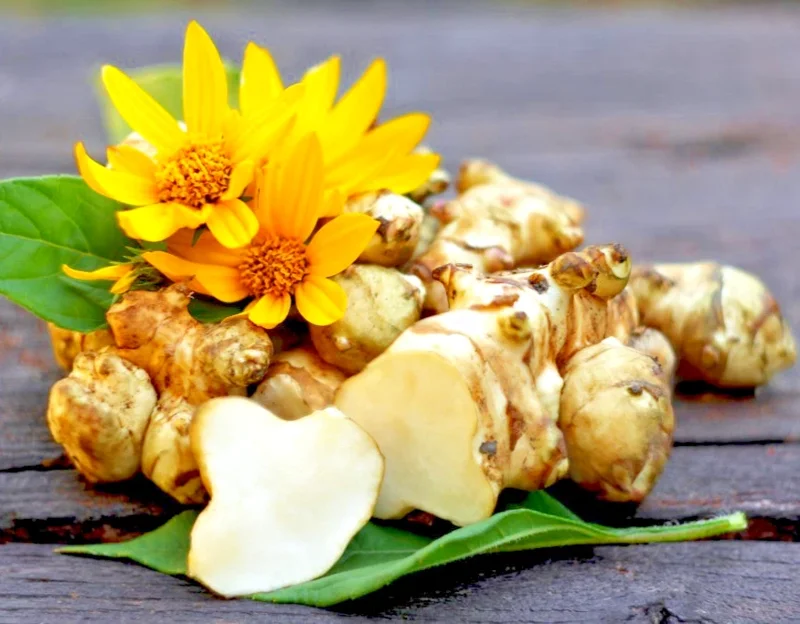
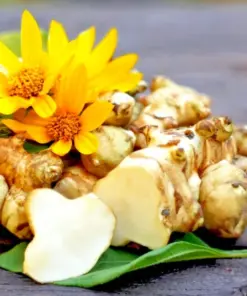
Discover the joy of growing your own Jerusalem Artichoke tubers, also known as sunchoke tubers or sunroots. These versatile plants, scientifically named Helianthus Tuberosus, are celebrated for their delicious, earthy tubers and their cheerful, sunflower-like yellow flowers. Originating from North America, this hardy perennial is an excellent addition to any garden, providing both ornamental beauty and a bountiful harvest. Unlike traditional artichokes, the edible part of the Jerusalem Artichoke is its root, which can be enjoyed raw, roasted, or boiled. It’s a fantastic choice for gardeners looking for an easy-to-grow, productive plant.
Key Benefits
Planting Jerusalem Artichoke tubers offers a multitude of benefits for both the gardener and the kitchen, making them a highly rewarding crop.
- Edible & Nutritious Tubers: Harvest delicious, knobby roots that are a good source of inulin (a pre-biotic fiber), iron, and potassium. They offer a unique, slightly nutty flavor.
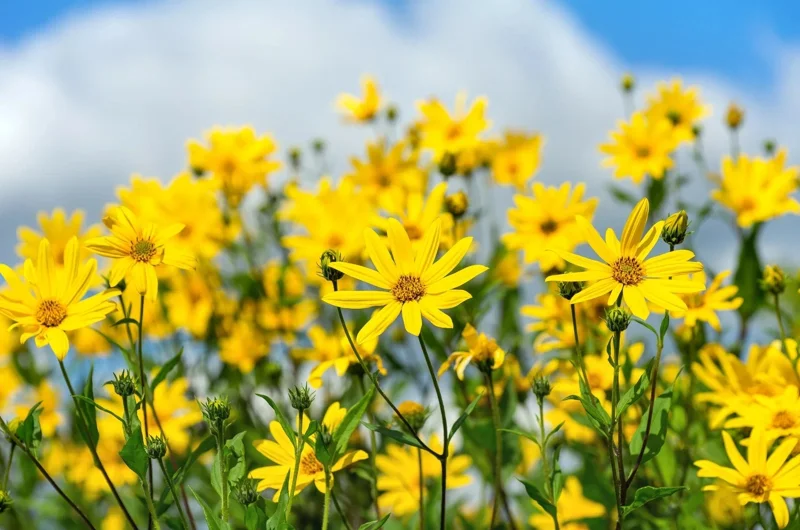
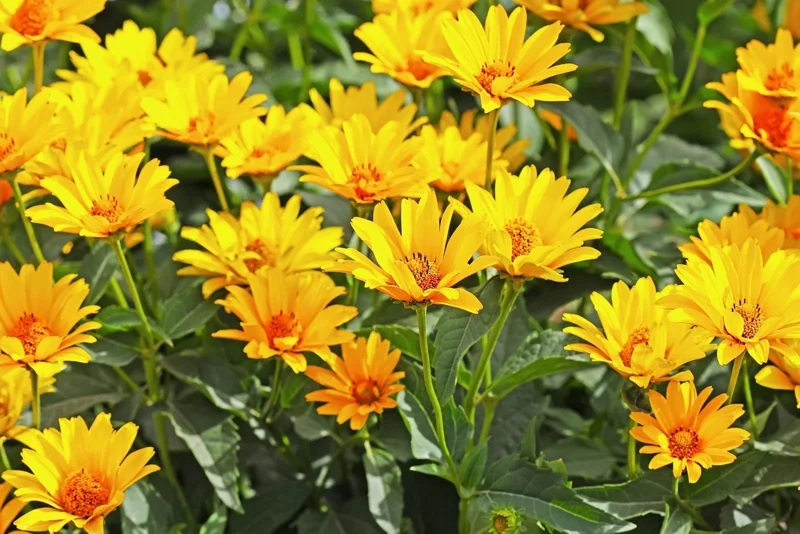
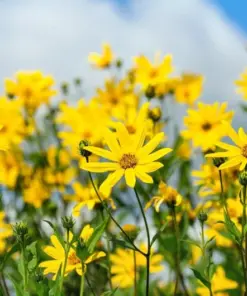
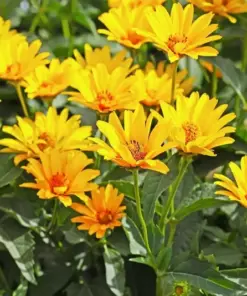
- Attractive Yellow Flowers: Beyond their culinary value, Helianthus Tuberosus produces bright, yellow flower plant blooms reminiscent of small sunflowers, adding a vibrant touch to your late summer and fall garden.
- Easy to Grow Perennial: These sunchoke tubers are incredibly forgiving and require minimal maintenance once established. As a perennial, they return year after year, often spreading if not managed.
- Adaptable to Various Climates: Jerusalem Artichoke tubers are remarkably resilient and can thrive in a wide range of climates and soil conditions, making them suitable for many regions.
- Supports Pollinators: The cheerful yellow flowers attract beneficial insects like bees and butterflies, contributing to a healthy garden ecosystem.
- Versatile Culinary Use: The tubers can be eaten raw, roasted, mashed, or added to soups and stews, providing a healthy and flavorful addition to your diet.
- Natural Screen or Windbreak: With their tall growth habit, these plants can serve as an effective natural screen or windbreak in your garden.
Plant Care & Growing Tips
Growing Jerusalem Artichoke tubers is straightforward, making them an excellent choice for both novice and experienced gardeners. They prefer a location with Full Sun exposure, meaning at least 6-8 hours of direct sunlight daily for optimal tuber development and flowering. While adaptable, they thrive in well-draining soil with a Neutral pH. Amend heavy clay soils with compost to improve drainage, or sandy soils to increase water retention. Plant the sunchoke tubers in early Spring, about 4-6 inches deep and 12-18 inches apart. Provide medium watering, especially during dry spells, but avoid waterlogging. These plants are quite vigorous and can spread readily, so consider planting them in a dedicated bed or using root barriers to contain their growth. No specific fertilizer is usually needed if the soil is reasonably fertile, but a balanced organic fertilizer can be applied at planting time if desired. Pests and diseases are generally not a major concern, contributing to their reputation as an easy cultivating difficulty plant.
Size & Details
This offering includes 4 individual Jerusalem Artichoke tubers, ready for planting. Each tuber will develop into a tall, clumping plant, typically reaching heights of 5-10 feet, depending on growing conditions and variety. The plants exhibit a clumping growth habit and are known for their rapid growth rate. The tubers themselves vary in size and shape, generally resembling knobby potatoes. When planted in Spring, you can expect the plants to flower in late summer and early fall, with tubers ready for harvest after the first hard frost, typically in late fall or early winter. These tubers are sourced from the United States and are intended for outdoor cultivation as an edible perennial plant.
Frequently Asked Questions
- Q: When is the best time to plant these Jerusalem Artichoke tubers? A: The ideal time to plant your sunchoke tubers is in early spring, after the danger of hard frost has passed. This allows them ample time to establish before the growing season.
- Q: How much sunlight do Helianthus Tuberosus plants need? A: Jerusalem Artichokes thrive in full sun, requiring at least 6-8 hours of direct sunlight per day for the best tuber production and vibrant yellow flower plant blooms.
- Q: Are these plants difficult to care for? A: No, they are known for their ease of cultivation. They are a hardy edible perennial plant that requires minimal attention once established, making them suitable for beginner gardeners.
- Q: Can I grow these in a container? A: While possible, Jerusalem Artichokes grow large and can spread, so a very large container (20+ gallons) would be necessary. In-ground planting is generally recommended for optimal growth and yield.
- Q: How long does it take for the tubers to be ready for harvest? A: Tubers are typically ready for harvest in late fall or early winter, after the plant has flowered and the foliage has died back, usually about 120-150 days after planting.
- Q: What kind of soil is best for sunchoke tubers? A: They prefer well-draining soil with a neutral pH. While adaptable, avoid heavy, waterlogged soils for best results.
- Q: Will these plants come back every year? A: Yes, Jerusalem Artichokes are perennials and will typically return year after year from any tubers left in the ground. They can spread if not managed.
















Reviews
There are no reviews yet.