Overview
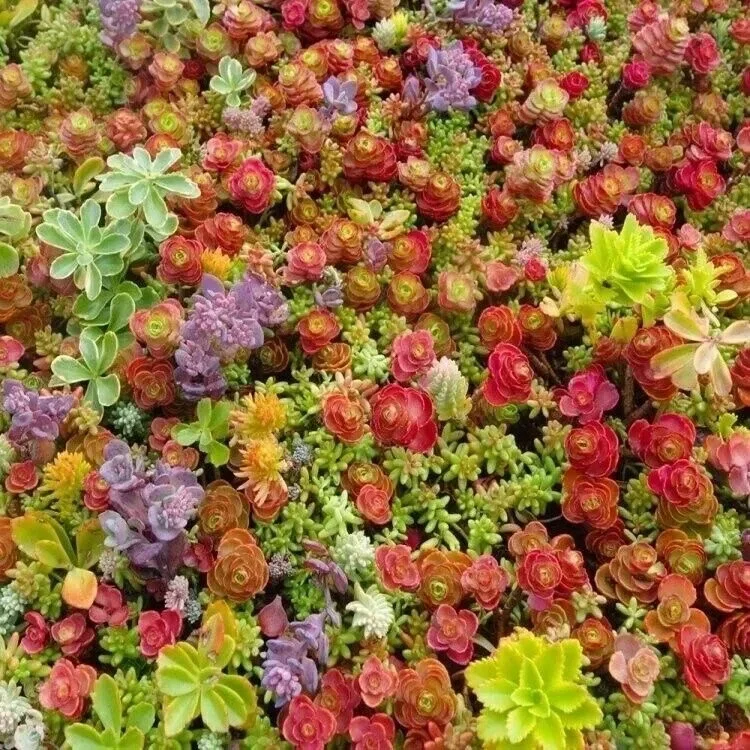
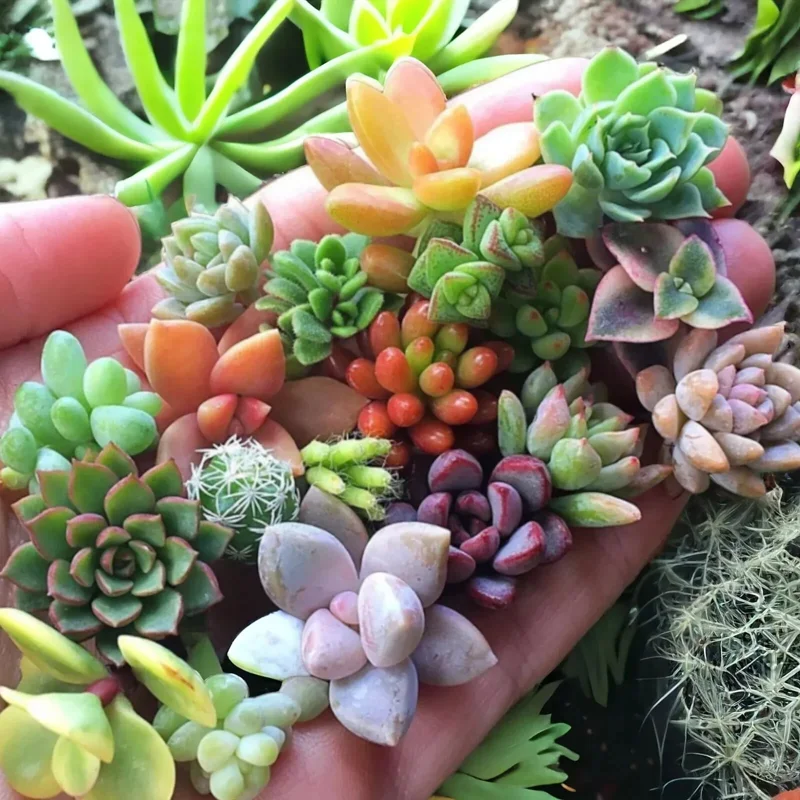
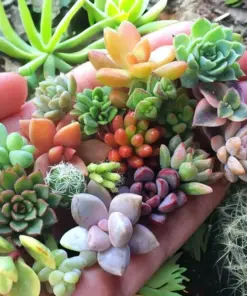
Transform your garden or indoor space with this generous pack of over 100 Mixed Sedum Seeds. Often referred to as Stonecrop, these versatile plants are celebrated for their striking beauty and incredible resilience. Sedum varieties are succulents, meaning they store water in their leaves, making them exceptionally drought-tolerant and low-maintenance. This mix promises a delightful assortment of Sedum types, offering a tapestry of colors, shapes, and textures that will create a captivating and dynamic display. Whether you’re looking to fill rock gardens, cascade over walls, or add unique accents to containers, these Stonecrop seeds provide an excellent foundation for a thriving, beautiful landscape.
Key Benefits
Growing Mixed Sedum Seeds offers numerous advantages for both novice and experienced gardeners. These hardy plants are not only visually appealing but also incredibly easy to care for, providing long-lasting beauty with minimal effort.
- Drought-Tolerant & Low Maintenance: Sedum plants are highly efficient at conserving water, requiring less frequent watering than many other plants. This makes them ideal for busy gardeners or those in arid climates, ensuring your succulent groundcover seeds will thrive with little fuss.
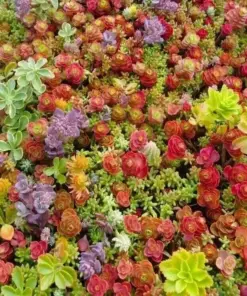
- Vibrant & Diverse Groundcover: This mix of Mixed Sedum Seeds provides a stunning array of foliage colors and flower types, creating a rich, textured groundcover. Expect shades of green, red, purple, and even variegated leaves, along with delicate flowers that attract pollinators.
- Attracts Pollinators: The small, star-shaped flowers produced by Sedum plants are a magnet for bees, butterflies, and other beneficial insects. Planting these perennial sedum seeds helps support local ecosystems and enhances the biodiversity of your garden.
- Versatile Landscaping Use: Sedum is incredibly adaptable, perfect for rock gardens, borders, containers, green roofs, or as a living carpet between stepping stones. Their diverse forms make them suitable for almost any garden design, from formal to wild.
- Easy to Grow from Seed: These easy-grow sedum seeds germinate readily, providing a cost-effective way to establish a large collection of these beautiful succulents. They are a rewarding project for gardeners of all skill levels.
- Hardy & Resilient: Sedum plants are known for their toughness, tolerating a wide range of conditions including poor soil and varying temperatures. Once established, they are very robust and require minimal intervention.
Plant Care & Growing Tips
Caring for your Mixed Sedum Seeds and the resulting plants is straightforward, making them an excellent choice for a low-maintenance garden. Sedum thrives on neglect once established, but a little care during germination and early growth will ensure robust plants.
Sunlight: Sedum generally prefers full sun, meaning at least 6 hours of direct sunlight per day. Some varieties can tolerate partial shade, especially in hotter climates, but too little sun can lead to leggy growth and fewer blooms. For optimal health and vibrant colors, aim for a sunny spot.
Watering: As succulents, Sedum plants are very drought-tolerant. Water thoroughly when the soil is dry to the touch, then allow it to dry out completely before watering again. Overwatering is the most common cause of Sedum problems, leading to root rot. Reduce watering significantly in winter.
Soil: Well-draining soil is crucial for Sedum. They prefer lean to moderately fertile soil. A sandy or gravelly loam is ideal. Avoid heavy clay soils that retain too much moisture. Amending heavy soils with sand or perlite can improve drainage. These succulent groundcover seeds will not thrive in constantly wet conditions.
Temperature/Zone: Most Sedum varieties are hardy perennials, typically thriving in USDA Zones 3-9, though specific hardiness can vary by species. They are tolerant of both heat and cold once established. Protect young seedlings from extreme temperatures.
Fertilizer: Sedum plants are not heavy feeders. A light application of balanced, slow-release granular fertilizer in spring is usually sufficient, or you can skip it entirely if your soil is reasonably fertile. Too much fertilizer can lead to weak, leggy growth.
Common Problems: Watch out for overwatering, which can cause root rot and fungal diseases. Pests like aphids or mealybugs can occasionally be an issue; treat with insecticidal soap if necessary. Ensure good air circulation to prevent mildew, especially in humid conditions.
Size & Details
This offering includes over 100 Mixed Sedum Seeds, providing ample opportunity to cultivate a diverse and beautiful collection of Stonecrop plants. Sedum varieties typically grow as low-lying groundcovers, reaching a height of 4-12 inches, with a spread that can vary depending on the specific type. Many form dense mats, while others have a more upright, clumping habit. The growth rate is generally moderate, with plants establishing well within their first season and expanding in subsequent years. These perennial sedum seeds are shipped in a dry, viable form, ready for planting. Maturity time for flowering can range from the first to second year, depending on growing conditions and specific varieties within the mix. You’ll be able to enjoy the beautiful foliage and vibrant blooms for years to come.
Frequently Asked Questions
- Q: How do I sow these Mixed Sedum Seeds?
A: Sow Mixed Sedum Seeds by scattering them lightly over well-draining soil. Do not cover them deeply, as they need light to germinate. Keep the soil consistently moist until germination, which can take 2-4 weeks.
- Q: Are these Stonecrop seeds suitable for indoor growing?
A: Yes, many Sedum varieties can be grown indoors, especially in bright, sunny windows or under grow lights. Ensure they have excellent drainage and are not overwatered.
- Q: What is the best time to plant these succulent groundcover seeds?
A: The best time to plant succulent groundcover seeds is in spring after the last frost, or indoors 6-8 weeks before the last frost. Fall planting is also possible in milder climates.
- Q: How much space do Sedum plants need?
A: Space individual Sedum plants 6-12 inches apart, depending on the variety and desired coverage. They will spread and fill in over time to create a dense groundcover.
- Q: Do these easy-grow Sedum seeds require any special stratification?
A: Most Sedum seeds do not require cold stratification, but a short period of cold (winter sowing or refrigeration) can sometimes improve germination rates for certain varieties.
- Q: Will the Sedum plants attract pests?
A: Sedum plants are generally pest-resistant. Occasionally, aphids or mealybugs might appear, especially on new growth. These can usually be managed with organic pest control methods.
- Q: How long does it take for perennial Sedum seeds to flower?
A: Depending on the variety and growing conditions, Sedum typically flowers in its first or second year. Many varieties bloom from late summer into fall, providing color when other plants fade.
















Reviews
There are no reviews yet.