Overview
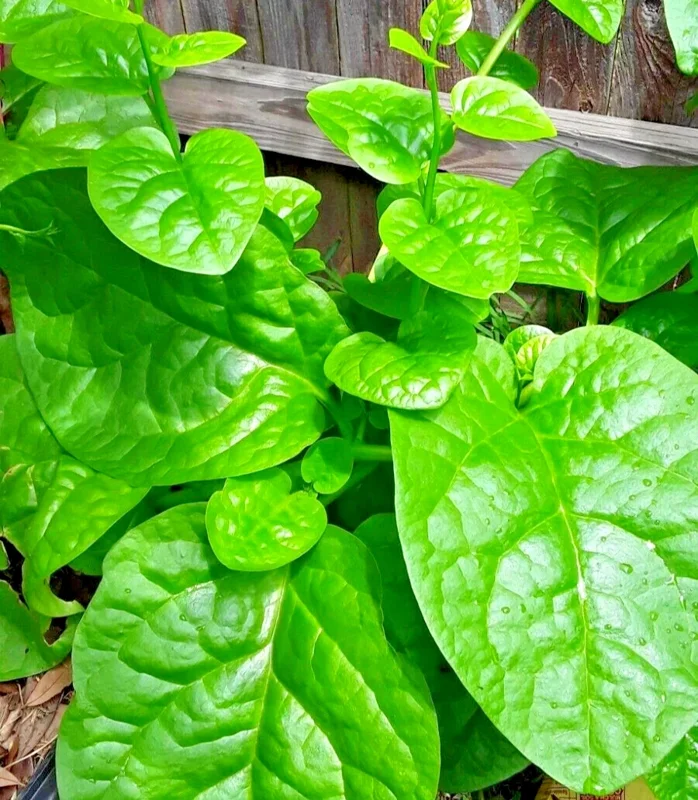
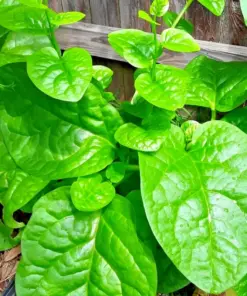
Discover the joy of growing your own fresh greens with these premium 50 organic green Malabar spinach seeds. Often referred to as Alugbati, Mong Toi, Poi Sang, or Ceylon Spinach, this unique vegetable is not a true spinach but a heat-loving vine (Basella alba) that offers a similar taste and texture, especially when cooked. Unlike traditional spinach, Malabar spinach seeds flourish in hot, humid conditions where other greens might wilt, making it an ideal choice for summer gardens. Its attractive climbing habit also adds a beautiful vertical element to your garden landscape.
These organic green spinach seeds are perfect for gardeners seeking a resilient and productive leafy green. The vibrant green stems and leaves are not only visually appealing but also packed with nutrients. Whether you’re an experienced gardener or just starting, these easy-to-grow seeds promise a rewarding harvest of a versatile and healthy vegetable.
Key Benefits
Growing Malabar spinach seeds offers a multitude of advantages for both your garden and your plate. This resilient plant provides a continuous harvest and boasts several beneficial characteristics:
- Heat-Tolerant & Fast-Growing: Unlike traditional spinach, Malabar spinach seeds thrive in hot and humid conditions, producing abundant leaves rapidly, especially during summer months when other greens struggle.
- Nutrient-Rich Edible Greens: The succulent leaves and tender stems are packed with vitamins A and C, iron, and calcium, making them a healthy addition to salads, stir-fries, and soups.
- Attractive Climbing Vine: With its beautiful green stems and lush foliage, this climbing spinach variety can be trained on trellises or supports, adding an ornamental touch to your garden while yielding food.
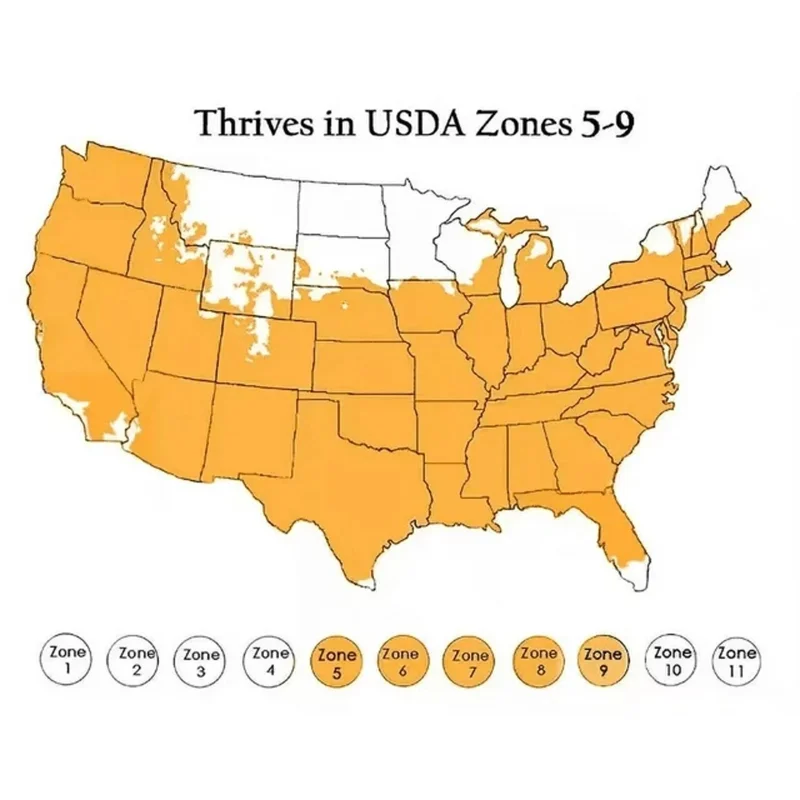
- Perennial in Warm Climates: In USDA Hardiness Zones 7 and above, Malabar spinach can grow as a perennial, providing multiple seasons of harvest from a single planting of organic green spinach seeds.
- Versatile Culinary Use: The mild, slightly peppery flavor and mucilaginous texture make it a fantastic substitute for spinach in various recipes, from Asian dishes to everyday sautés.
- Easy to Cultivate: These alugbati seeds are known for their ‘Very Easy’ cultivating difficulty, requiring minimal effort to establish and maintain a thriving plant.
- Organic Quality: Sourced organically, these seeds ensure you’re growing healthy, chemical-free produce for your family.
Plant Care & Growing Tips
Cultivating Malabar spinach seeds is straightforward, making it an excellent choice for gardeners of all experience levels. To ensure a bountiful harvest, understanding its basic needs is key. This tropical spinach thrives in warm conditions, so planting should occur after the last frost when soil temperatures have warmed. Start seeds indoors 4-6 weeks before the last frost or sow directly outdoors once temperatures are consistently above 65°F (18°C).
For optimal growth, provide a location with Full Sun exposure, though it can tolerate partial shade in extremely hot climates. The ideal soil type is nutrient-rich, well-draining soil, including clay or loam, with a neutral pH. Consistent and Medium watering is crucial, especially during dry spells, to keep the soil moist but not waterlogged. As a climbing spinach, it benefits greatly from a trellis, fence, or stakes for support as it grows. Fertilize every few weeks with a balanced organic fertilizer to encourage lush foliage. Pests are generally not a major issue, but keep an eye out for common garden pests and address them with organic solutions if necessary. The plant is a perennial in warmer zones (USDA Hardiness Zone 7 and above) but can be grown as an annual in cooler regions.
Size & Details
This offering includes 50 organic green Malabar spinach seeds, providing a generous quantity for a productive garden patch. Once established, this vigorous vine exhibits a Climbing growth habit, reaching lengths of 6 to 10 feet or more when supported, creating a lush vertical display. The leaves are typically 2-4 inches long, heart-shaped, and a vibrant green. The plant is characterized by its green stems. With a Very Easy cultivating difficulty, these alugbati seeds germinate readily and grow quickly, offering a fast turnaround from planting to harvest. The seeds are suitable for Outdoor cultivation and will thrive in Sub-tropical, Tropical, and Tropical Wet & Dry climates. Expect to begin harvesting tender leaves and stems approximately 4 weeks after planting, with continuous production throughout the warm season.
Frequently Asked Questions
- Q: What is Malabar spinach and how is it different from regular spinach? A: Malabar spinach seeds grow into a heat-loving, perennial vine (Basella alba), not a true spinach. Unlike regular spinach, it thrives in hot, humid weather and has a slightly mucilaginous texture, making it perfect for summer gardens.
- Q: Can these organic green spinach seeds be grown indoors? A: While primarily an outdoor plant, Malabar spinach seeds can be started indoors and transplanted. With adequate light and support, it can grow in large containers indoors, especially in cooler climates.
- Q: What are the ideal growing conditions for tropical spinach? A: It prefers Full Sun, nutrient-rich, well-draining soil (clay, loam), and consistent moisture. It thrives in tropical and subtropical climates and is hardy in USDA Zone 7 and above.
- Q: How long does it take for Malabar spinach seeds to germinate and grow? A: Germination can take 1-3 weeks. The plant is fast-growing, with harvesting typically starting around 4 weeks after planting.
- Q: Do I need a trellis or support for this climbing spinach? A: Yes, as a vigorous climbing vine, Malabar spinach benefits greatly from a trellis, fence, or stakes to support its growth and maximize leaf production.
- Q: Are these seeds truly organic? A: Yes, these are organic green Malabar spinach seeds, meaning they are sourced from plants grown without synthetic pesticides or fertilizers.
- Q: What is the best way to use Malabar spinach in cooking? A: The leaves and tender stems can be used raw in salads or cooked in stir-fries, soups, curries, and stews. It has a mild flavor similar to spinach with a slightly thicker texture.













Reviews
There are no reviews yet.