Overview
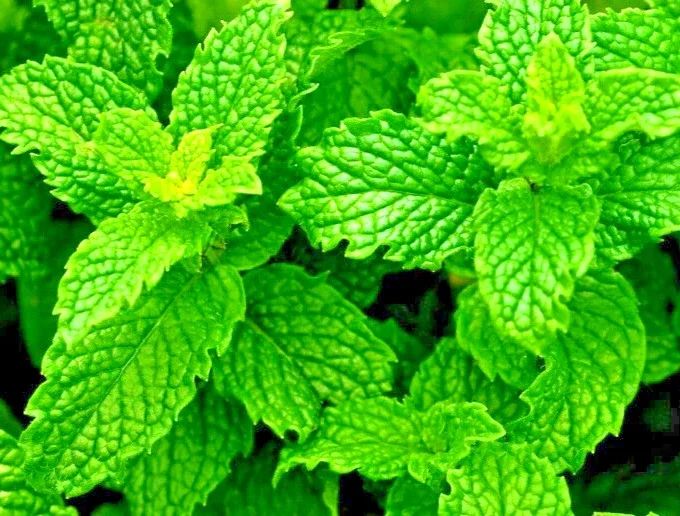
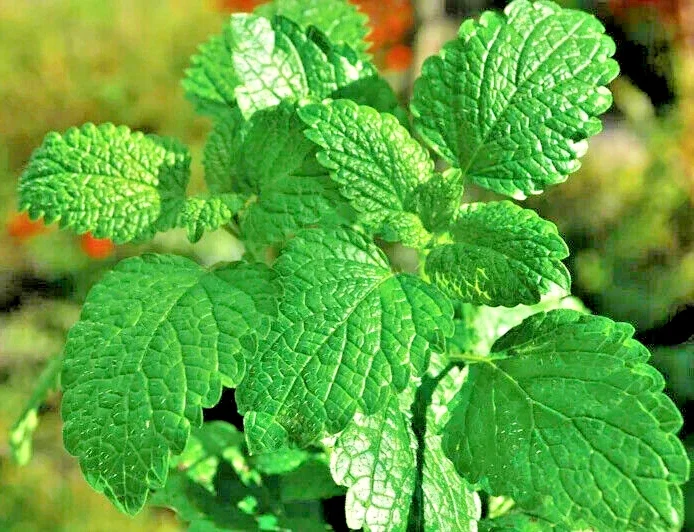
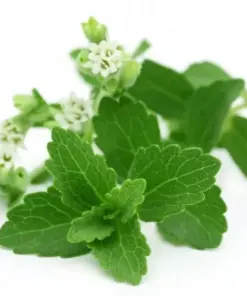
Discover the joy of growing your own fragrant and versatile herb with our premium Peppermint Seeds. This heirloom, non-GMO variety (Mentha) offers an authentic and robust flavor profile, making it a favorite for culinary enthusiasts and herbalists alike. Peppermint is renowned for its refreshing aroma and invigorating taste, perfect for brewing soothing teas, enhancing desserts, or adding a fresh twist to savory dishes. These Non-GMO Herb Seeds are carefully selected to ensure high germination rates and vigorous growth, providing you with a bountiful harvest of lush, green leaves. Whether you’re a seasoned gardener or just starting your herbal journey, cultivating Heirloom Peppermint from seed is a rewarding experience that brings the freshness of nature directly to your home.
Peppermint is a perennial herb known for its rapid growth and adaptability, thriving in various conditions both indoors and outdoors. Its distinct flavor comes from menthol, a natural compound that provides its cooling sensation. Growing Mentha Seeds allows you to enjoy fresh peppermint year-round, ensuring a constant supply of this beneficial herb.
Key Benefits
Growing peppermint from seed offers numerous advantages, from fresh culinary ingredients to aromatic additions for your home. These Peppermint Seeds provide an accessible way to enjoy the many benefits of this popular herb:
- Fresh Culinary Ingredient: Harvest fresh leaves for teas, cocktails, desserts, salads, and main dishes, adding a refreshing and vibrant flavor.
- Aromatic & Soothing Tea: Brew your own peppermint tea, known for its calming properties and ability to aid digestion and soothe headaches.
- Natural Pest Repellent: The strong scent of peppermint can naturally deter certain garden pests, helping to protect your other plants.
- Easy to Cultivate: These Non-GMO Herb Seeds are very easy to grow, making them ideal for beginners and experienced gardeners alike.
- Versatile Growth: Thrives both indoors in pots and outdoors in garden beds, adapting to various light conditions from full sun to partial shade.
- Heirloom Quality: Enjoy the authentic, robust flavor and vigorous growth of a true Heirloom Peppermint variety.
- Medicinal Properties: Peppermint is traditionally used for its antispasmodic, anti-inflammatory, and decongestant qualities, promoting overall well-being.
Plant Care & Growing Tips
Cultivating Peppermint Seeds is a straightforward process, and with a little care, you’ll have a thriving patch of this fragrant herb. Peppermint (Mentha) prefers a location with full sun to partial shade, meaning at least 4-6 hours of direct sunlight daily. While it can tolerate some shade, more sun generally leads to a stronger flavor. The ideal soil type for Heirloom Peppermint is well-draining, rich in organic matter, and consistently moist. It prefers a slightly acidic to neutral pH (6.0-7.0). When watering, aim for medium moisture levels; the soil should feel damp but not waterlogged. Peppermint is a vigorous grower, so consider planting it in containers or with root barriers if planting directly in the ground to prevent it from spreading aggressively. Fertilize sparingly with a balanced liquid fertilizer every few weeks during the growing season. Peppermint is hardy in USDA zones 3-11, making it suitable for a wide range of climates. Regular harvesting by pinching back stems will encourage bushier growth and prevent flowering, which can diminish leaf flavor. Keep an eye out for common pests like spider mites or aphids, and treat with organic insecticidal soap if necessary.
Size & Details
Our Peppermint Seeds are sourced from a robust heirloom variety, ensuring strong growth and authentic flavor. Each packet contains a generous quantity of seeds, allowing you to start a substantial patch of peppermint. Peppermint plants typically grow to a height of 18-24 inches (45-60 cm) with a spread of 12-18 inches (30-45 cm), though they can spread more widely if not contained. These are herb seeds for planting, not live plants. The growth rate is fast, with sprouts often appearing within 7-14 days under optimal conditions. Leaves are ready for harvest in about 60-90 days from germination. These seeds are suitable for both indoor and outdoor cultivation, making them a versatile choice for any gardener looking to Grow Peppermint. The plants are annual in colder climates but can be perennial in warmer zones or when protected indoors.
Frequently Asked Questions
- Q: How difficult are these Peppermint Seeds to grow? A: Peppermint is considered very easy to cultivate, making it an excellent choice for beginners. It’s a vigorous grower that adapts well to various conditions.
- Q: Can I grow Heirloom Peppermint indoors? A: Yes, peppermint thrives indoors in a sunny window or under grow lights. Ensure it has a well-draining pot and consistent moisture.
- Q: What are the best light conditions for Mentha Seeds? A: Peppermint prefers full sun to partial shade. Aim for at least 4-6 hours of direct sunlight daily for the best growth and flavor.
- Q: How often should I water my peppermint plant? A: Water regularly to keep the soil consistently moist but not waterlogged. Allow the top inch of soil to dry slightly between waterings.
- Q: When is the best time to plant these Non-GMO Herb Seeds? A: For outdoor planting, sow seeds after the last frost in spring. For indoor starting, you can plant year-round.
- Q: How long does it take for peppermint seeds to germinate? A: Typically, peppermint seeds will germinate within 7-14 days under ideal conditions (warm soil, consistent moisture).
- Q: What can I use fresh peppermint for? A: Fresh peppermint is excellent for teas, cocktails, desserts, savory dishes, and as a garnish. You can also use it for its aromatic and potential medicinal benefits.
- Q: Will peppermint spread aggressively in my garden? A: Yes, peppermint can spread rapidly via underground runners. It’s often recommended to plant it in containers or use root barriers to control its spread in garden beds.
- Q: What kind of soil does peppermint prefer? A: Peppermint prefers well-draining soil that is rich in organic matter. A slightly acidic to neutral pH (6.0-7.0) is ideal.


Reviews
There are no reviews yet.