Overview
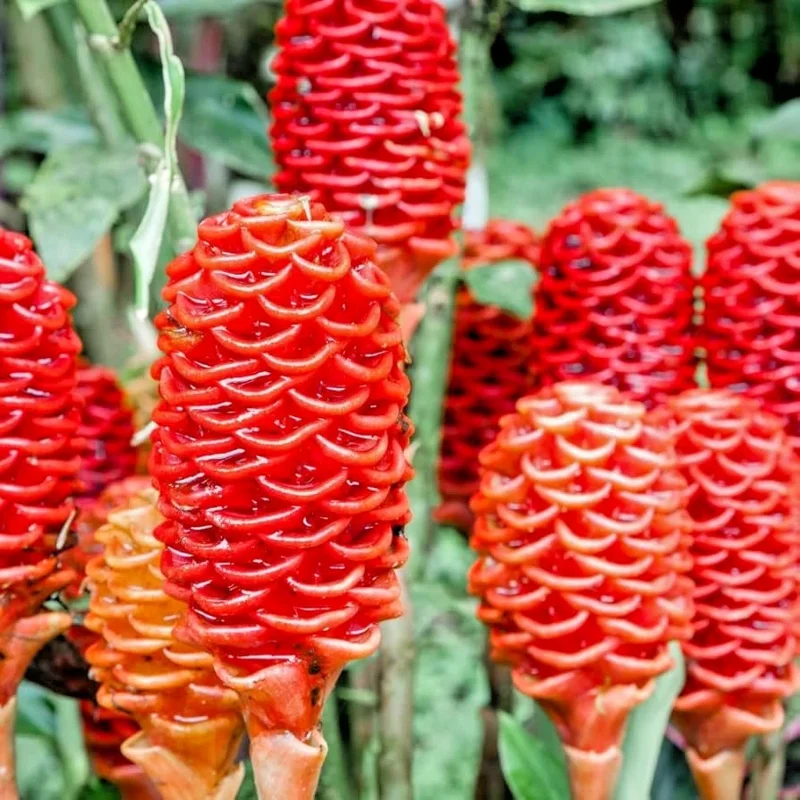
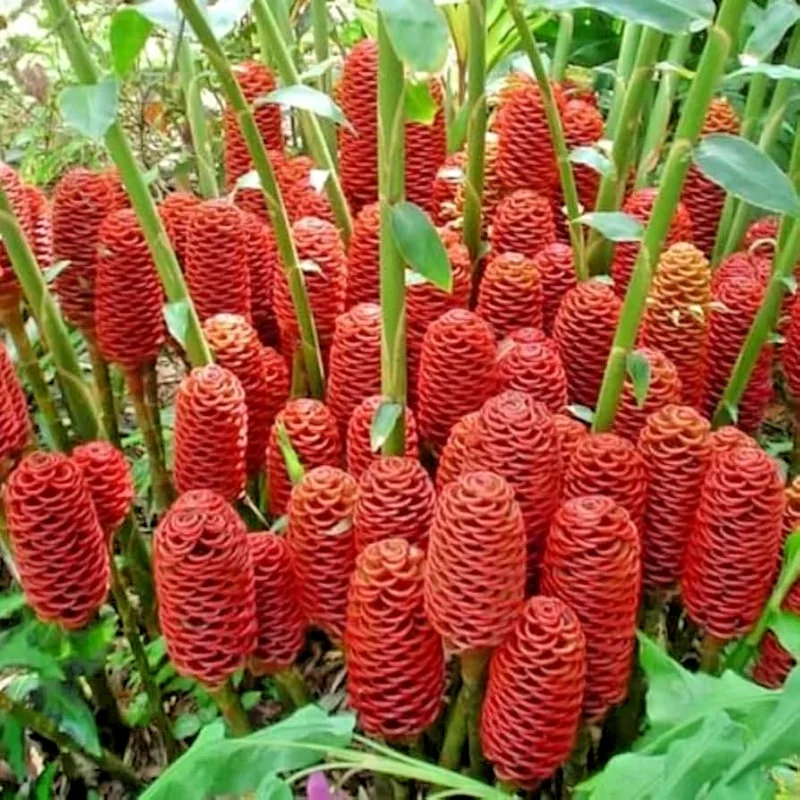
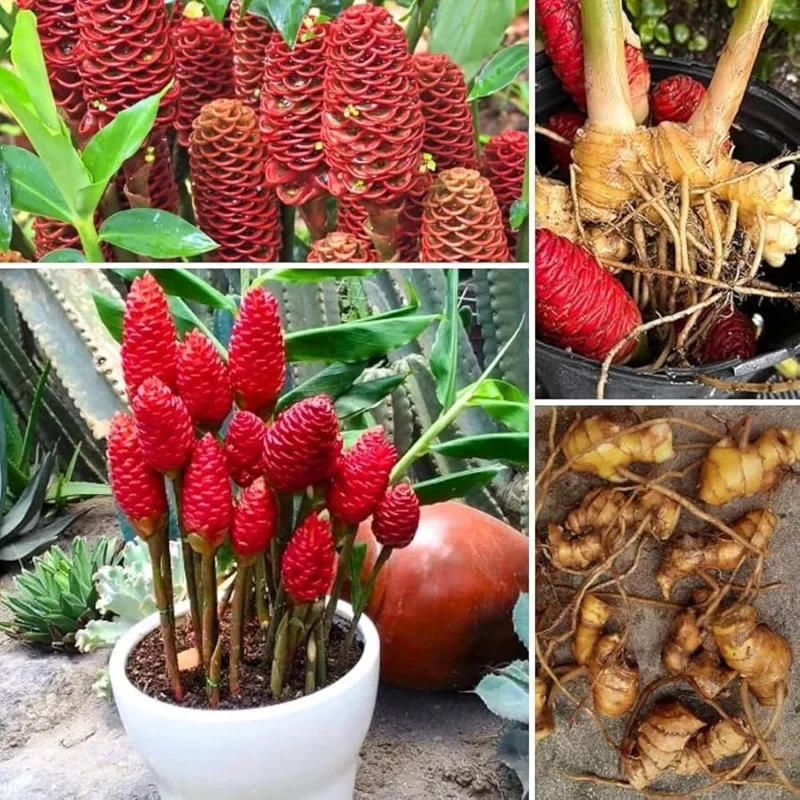
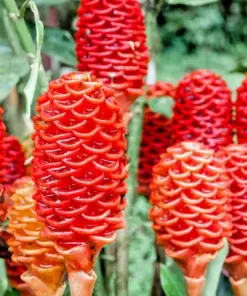
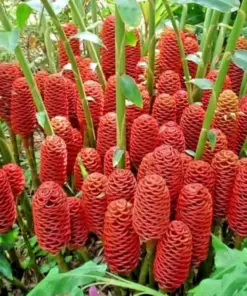
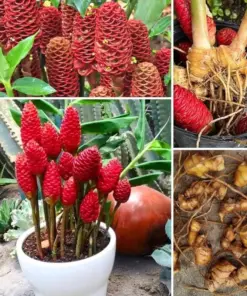
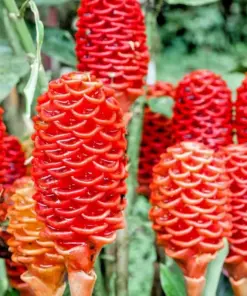
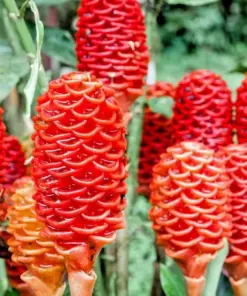
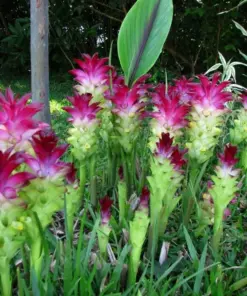
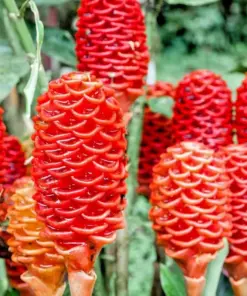
Discover the captivating allure of Shampoo Ginger Rhizomes (Zingiber zerumbet), a remarkable tropical plant celebrated for its unique, cone-shaped inflorescences. Often referred to as Pine Cone Ginger or Awapuhi, this species is native to tropical Asia and thrives in warm, humid environments. Our offering includes 4 vibrant shampoo ginger rhizomes, ready to be planted and transformed into stunning garden features. These rhizomes promise a lush display of green foliage, eventually culminating in striking red ‘pinecones’ that gradually fill with a fragrant, shampoo-like liquid, hence its common name. This makes it a fascinating addition for both ornamental beauty and its traditional uses.
The Zingiber zerumbet is not only visually appealing but also surprisingly easy to cultivate, making it an excellent choice for both novice and experienced gardeners eager to introduce a touch of the exotic to their landscape or indoor spaces. Its robust nature and distinctive blooms ensure a rewarding growing experience.
Key Benefits
Planting these shampoo ginger rhizomes offers a multitude of benefits, from enhancing your garden’s aesthetic to providing a unique sensory experience. These tropical plant bulbs are a fantastic choice for anyone looking to add an unusual and beautiful specimen to their collection.
- Unique Ornamental Value: The distinctive red, cone-shaped inflorescences of the Zingiber zerumbet are a true conversation starter, offering a tropical focal point in any setting.
- Fragrant Blooms: As the ‘pinecones’ mature, they release a pleasant, ginger-like fragrance, adding an aromatic dimension to your garden.
- Easy to Grow: With an ‘Easy’ cultivating difficulty, these shampoo ginger rhizomes are suitable for gardeners of all experience levels, requiring minimal fuss for impressive results.
- Versatile Planting: Flourishes both indoors and outdoors in appropriate climates, allowing for flexibility in garden design or home decor.
- Traditional Uses: The liquid produced by the mature cones has been traditionally used as a natural hair conditioner, hence the common name Shampoo Ginger.
- Attracts Pollinators: While primarily grown for its ornamental value, the flowers can attract certain pollinators, contributing to garden biodiversity.
- Perennial Life Cycle: Enjoy recurring blooms and foliage year after year, as these awapuhi plant rhizomes are perennial, returning each spring.
Plant Care & Growing Tips
To ensure your shampoo ginger rhizomes flourish, understanding their care requirements is key. Zingiber zerumbet prefers a warm, humid environment, typical of its tropical origin. For sunlight, aim for partial shade to full sun; while it can tolerate full sun, some afternoon shade is beneficial in hotter climates to prevent leaf scorch. Watering should be medium and consistent, keeping the soil moist but not waterlogged, especially during the growing season (Spring and Summer). Reduce watering significantly in fall and winter as the plant enters dormancy.
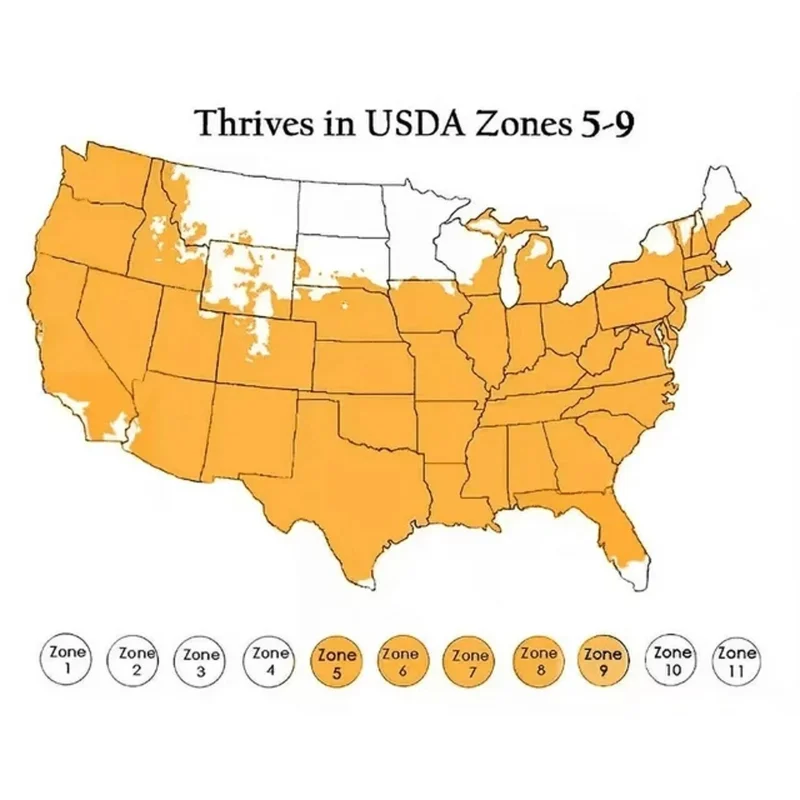
The ideal soil type is a rich, well-draining loam. A good quality potting mix with added organic matter will work well for potted plants. These tropical plant bulbs thrive in USDA Hardiness Zones 8 (10 to 20 °F) and above, making them suitable for outdoor perennial growth in subtropical and tropical regions. In colder zones, they can be grown in containers and brought indoors before the first frost. Fertilize monthly during the growing season with a balanced liquid fertilizer. Watch out for common pests like spider mites and mealybugs, especially when grown indoors; treat with insecticidal soap if necessary. Proper care will lead to robust growth and abundant pine cone ginger blooms.
Size & Details
This offering includes 4 fresh Shampoo Ginger Rhizomes, each carefully selected for viability and health. As a rhizome, the plant form is a subterranean stem from which new shoots and roots emerge. Upon planting, expect the plant to reach an average height of 3-5 feet with a spread of 2-3 feet, creating an impressive clump. The growth rate is considered medium, with noticeable development during the spring and summer months. The rhizomes are shipped in a dormant or semi-dormant state, ready for planting. Maturity, meaning the production of the distinctive red ‘pinecone’ inflorescences, typically occurs in the second year after planting, though vigorous plants may flower sooner. These awapuhi plant rhizomes are perennial, ensuring years of enjoyment from a single planting.
Frequently Asked Questions
- Q: What is the best time to plant these shampoo ginger rhizomes? A: The ideal time to plant your Zingiber zerumbet rhizomes is in the spring, after the last frost, when soil temperatures have warmed up. This gives them the entire growing season to establish and develop.
- Q: How difficult is it to cultivate pine cone ginger? A: Cultivating pine cone ginger is considered ‘Easy’. They are quite resilient and forgiving, making them a great choice for beginners. Just ensure they have adequate warmth, moisture, and appropriate light.
- Q: Can these tropical plant bulbs be grown indoors? A: Yes, shampoo ginger rhizomes can be successfully grown indoors in pots, especially in colder climates. Provide them with a bright spot, consistent moisture, and protect them from drafts.
- Q: What kind of soil is best for awapuhi plant? A: A rich, well-draining loam soil is best. You can amend heavy soils with compost or peat moss to improve drainage and fertility for your shampoo ginger rhizomes.
- Q: How often should I water my Zingiber zerumbet? A: During the active growing season (spring and summer), water regularly to keep the soil consistently moist. Reduce watering significantly during the dormant period in fall and winter.
- Q: When can I expect to see the ‘pinecones’ on my shampoo ginger rhizomes? A: The distinctive red ‘pinecones’ typically appear in late summer to early fall, often in the second year of growth. They emerge directly from the ground on separate stalks from the leafy stems.
- Q: What USDA Hardiness Zone is suitable for outdoor planting of pine cone ginger? A: Pine cone ginger is suitable for outdoor perennial growth in USDA Hardiness Zones 8 to 11. In colder zones, they should be dug up and stored indoors for winter or grown as annuals/potted plants.















Reviews
There are no reviews yet.