Overview
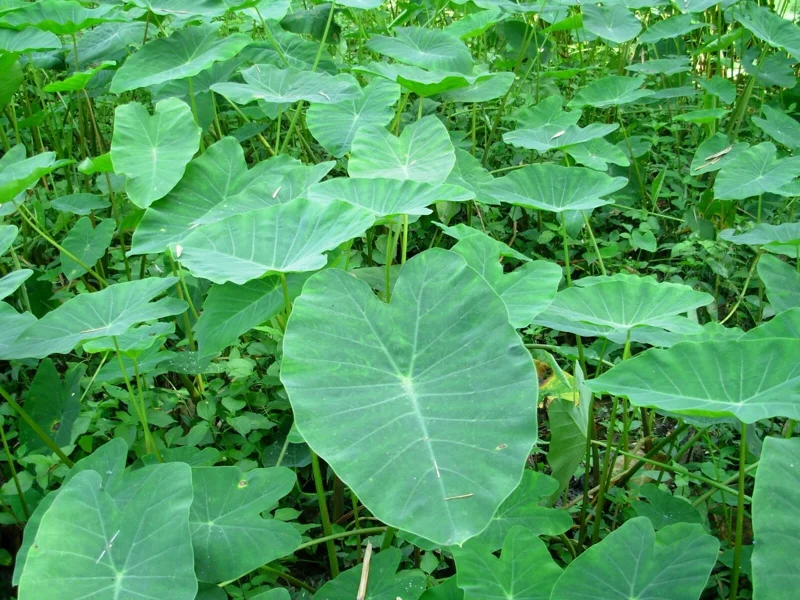
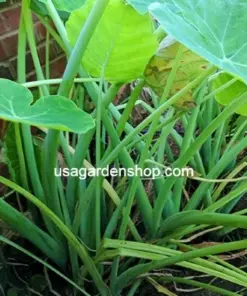
Discover the unique beauty and culinary potential of the Vietnamese Taro Plant, scientifically known as Colocasia esculenta. Often referred to as Bac Ha Doc Mung or Thai Elephant Ear, this versatile live plant is celebrated for its large, heart-shaped leaves and edible stems. Originating from Southeast Asia, the Vietnamese Taro Plant brings an exotic, tropical flair to any setting, whether it’s grown in your garden or as an indoor houseplant. Thriving in warm, humid conditions, it’s a fast-growing specimen that can quickly establish itself, providing both ornamental value and a source of delicious, tender stems for traditional Vietnamese cuisine.
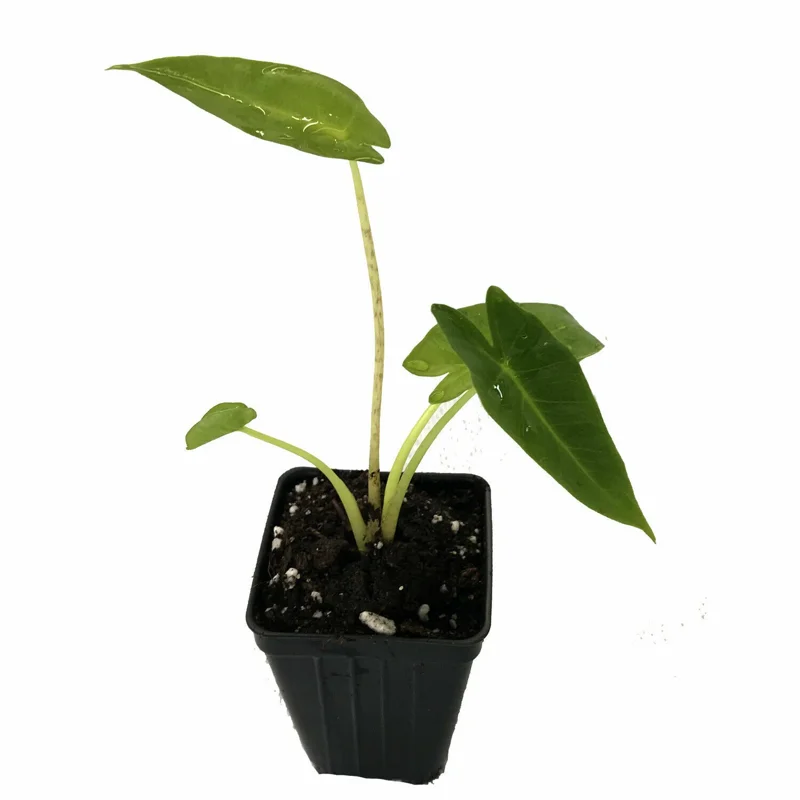
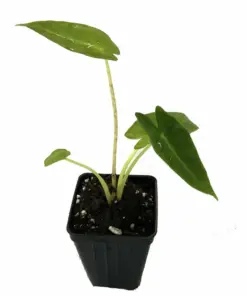
This particular offering is an 8-inch live plant, ready to be transplanted and begin its journey in your care. Its robust growth habit makes it suitable for various climates, from temperate to tropical, and it adapts well to both full sun and partial shade. The Thai Elephant Ear is not just a food source; its striking appearance makes it a focal point in any landscape or indoor plant collection. Experience the joy of cultivating this fascinating and rewarding plant.
Key Benefits
The Vietnamese Taro Plant offers a multitude of benefits, from its stunning visual appeal to its practical uses in the kitchen. This live plant is a fantastic addition for gardeners and food enthusiasts alike, providing both beauty and sustenance.
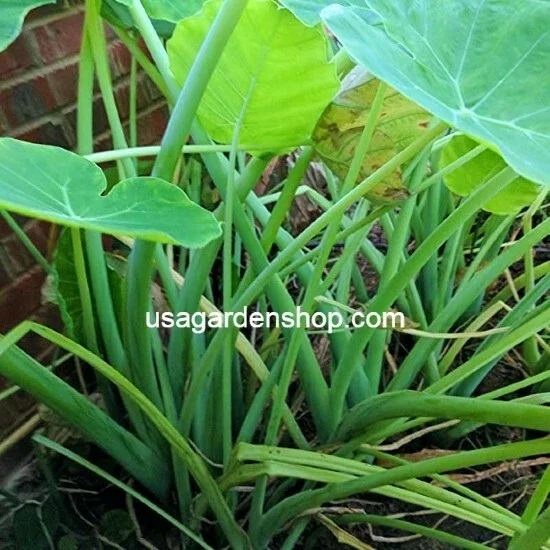
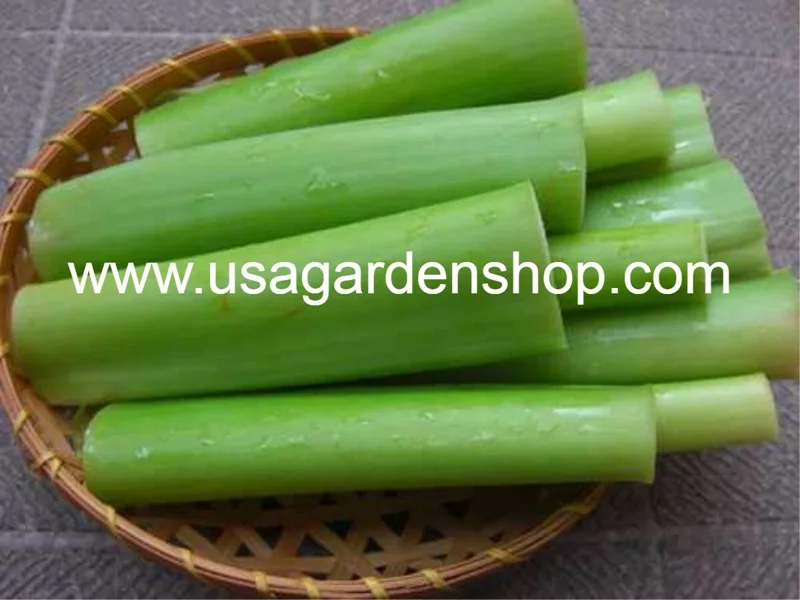
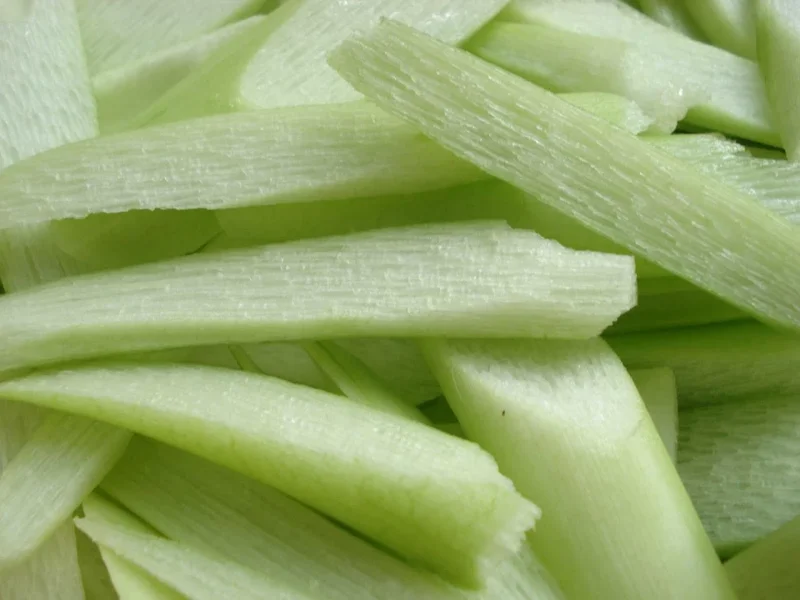
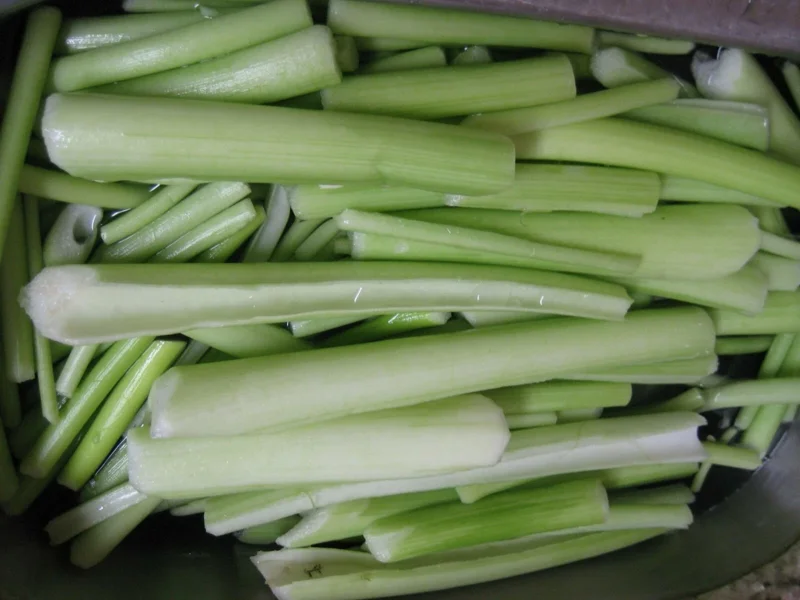
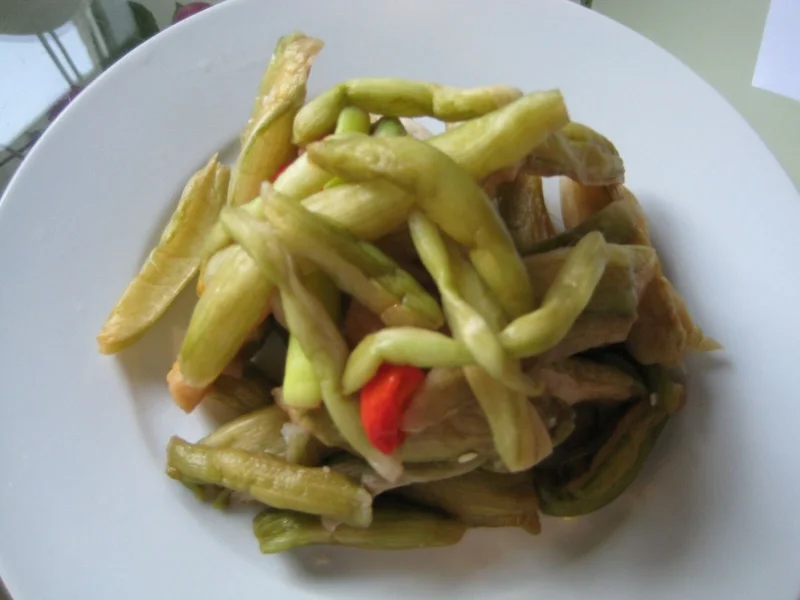
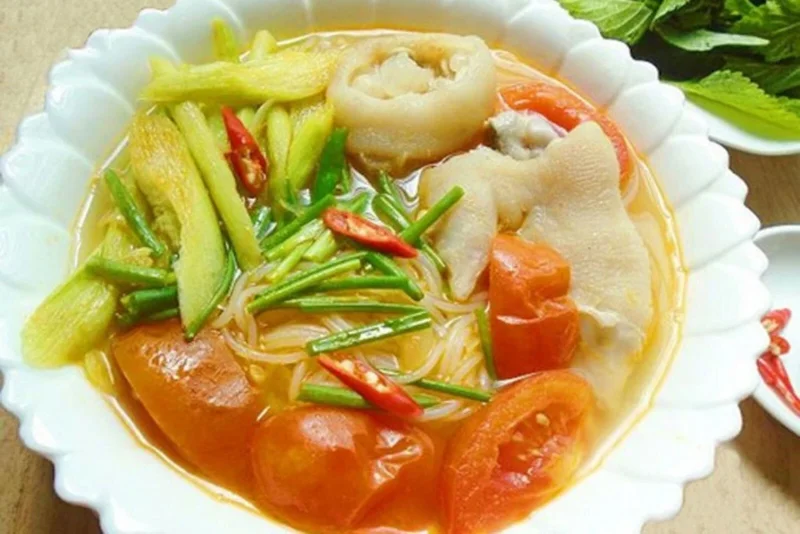
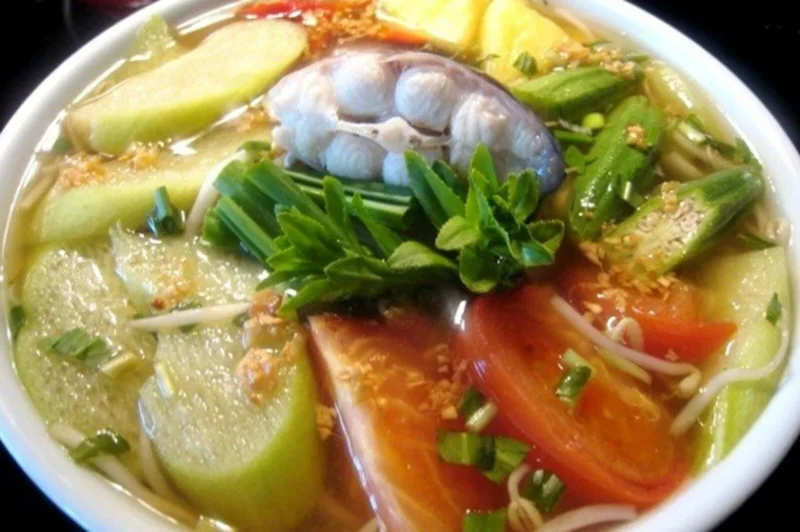
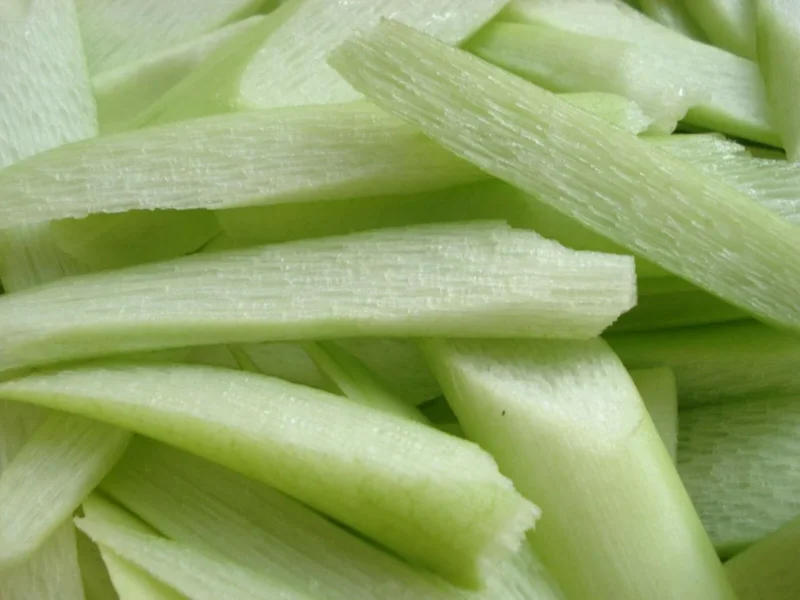
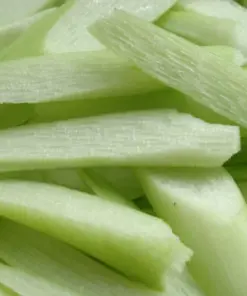
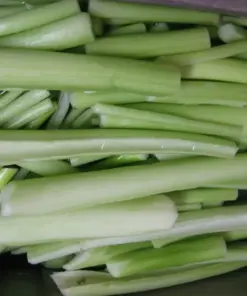
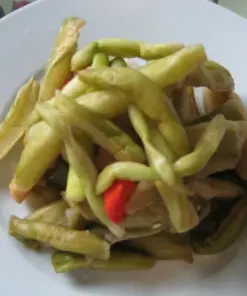
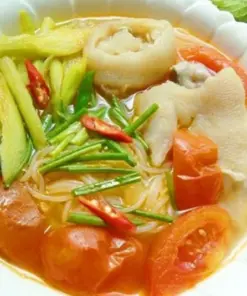
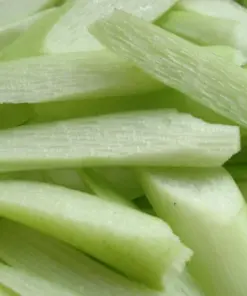
- Edible Stems: The tender, crunchy stems of the Bac Ha Doc Mung are a staple in Vietnamese cooking, perfect for soups, stir-fries, and hot pots. Enjoy fresh, homegrown ingredients.
- Tropical Foliage: The large, vibrant green leaves of the Thai Elephant Ear create a dramatic, tropical ambiance, making it an excellent ornamental plant for gardens, patios, or indoor spaces.
- Fast Growth Rate: This plant is known for its rapid growth, quickly establishing itself and producing abundant foliage and stems, providing a continuous harvest and lush display.
- Air Purifying Properties: Like many large-leafed plants, the Vietnamese Taro Plant can help improve indoor air quality, contributing to a healthier living environment.
- Versatile Planting: Suitable for both indoor and outdoor cultivation, it can be grown in containers or directly in the ground, adapting to various garden designs and home aesthetics.
- Low Maintenance: Once established, the Colocasia Esculenta requires relatively simple care, making it an ideal choice for both novice and experienced gardeners.
- Rich in Nutrients: The edible parts of the Edible Taro are a good source of vitamins and minerals, adding a healthy component to your diet.
Plant Care & Growing Tips
Caring for your Vietnamese Taro Plant is straightforward, ensuring a thriving and productive specimen. This plant prefers warm, humid conditions, mimicking its native tropical environment. For sunlight, it performs best in partial shade to full sun. In hotter climates, some afternoon shade is beneficial to prevent leaf scorch. Watering should be consistent and generous; Bac Ha Doc Mung loves moist soil and can even tolerate standing water, making it suitable for boggy areas or containers without drainage holes. However, avoid completely dry conditions. Well-draining soil types like loam, peat, or silt are ideal, but it adapts to a range including clay and sand, as long as moisture is retained.
The optimal USDA Hardiness Zone for outdoor growth is generally 8-11, but as an indoor plant, it can thrive in any zone. Fertilize monthly during the growing season (spring and summer) with a balanced liquid fertilizer to encourage lush growth. Watch out for common pests like spider mites and aphids, especially indoors. Ensure good air circulation to prevent fungal issues. Regular pruning of older, yellowing leaves will keep your Thai Elephant Ear looking its best and promote new growth.
Size & Details
This offering is for one Vietnamese Taro Plant, a live seedling measuring approximately 8 inches in length. This is typically measured from the base of the plant to the tip of its tallest leaf. The plant is shipped as a rooted seedling, ready for immediate planting upon arrival. While the exact width will vary based on foliage spread, an 8-inch plant typically has a moderate spread suitable for initial planting. The growth rate of the Colocasia Esculenta is fast, meaning it will quickly establish and grow larger under optimal conditions. Mature plants can reach heights of 3-6 feet with an equal spread, depending on climate and care. This plant is suitable for growing in containers or directly in garden beds, offering flexibility for your landscaping or indoor decor. It is a perennial in warmer climates and can be grown as an annual or overwintered indoors in colder regions.
Frequently Asked Questions
- Q: How large will the Vietnamese Taro Plant grow? A: Under ideal conditions, the Vietnamese Taro Plant can reach heights of 3 to 6 feet with a similar spread. Its large leaves contribute to its impressive size and tropical appearance.
- Q: Can I grow the Bac Ha Doc Mung indoors? A: Yes, the Bac Ha Doc Mung thrives as an indoor plant, especially in areas with sufficient light and humidity. Place it near a bright window and consider misting the leaves regularly.
- Q: What are the best growing conditions for Thai Elephant Ear? A: This plant prefers moist, rich soil, partial to full sun, and warm temperatures. It can tolerate a wide range of soil types but appreciates consistent moisture.
- Q: How often should I water my Colocasia Esculenta? A: Keep the soil consistently moist, but not waterlogged. In hot weather, you may need to water daily. Reduce watering in cooler months.
- Q: Is the Edible Taro plant easy to care for? A: Yes, once established, the Edible Taro is relatively low-maintenance. Its fast growth and adaptability make it a rewarding plant for gardeners of all experience levels.
- Q: What parts of the Vietnamese Taro Plant are edible? A: The stems (petioles) are the primary edible part, commonly used in various cuisines. The leaves can also be eaten but require proper cooking to remove oxalates.
- Q: What is the ideal climate for this plant? A: The Vietnamese Taro Plant thrives in tropical and subtropical climates. In temperate zones, it can be grown outdoors as an annual or brought indoors during winter.







Reviews
There are no reviews yet.